






Schreiber Veterinary Hospital • Pet Health Education

Year-Round Parasite Prevention: Why “Summer Only” Leaves Your Pet Vulnerable on the Alabama Gulf Coast

Imagine that it’s a mild January afternoon in Foley, Alabama. Your dog is napping on the back porch after a short walk. A single mosquito lands. One bite is all it takes. Months later, that pet is coughing, tiring easily, and facing an expensive, stressful treatment for heartworm disease, something that was almost entirely preventable.

Heartworms, fleas, and ticks do not take a vacation when the calendar flips to fall or winter. On the Alabama Gulf Coast, where humidity stays high and temperatures often remain mild, the risk never fully disappears. Yet many caring pet owners still believe protection is only necessary “during mosquito season.” That belief is one of the most common and costly gaps in pet care.

At Schreiber Veterinary Hospital, we see the consequences of that gap. We also see how powerful consistent, year-round prevention can be.

“Our goal is simple: to help you understand the real risks so you can protect the animals you love.”

Education comes first. Always.

A brown and white spaniel lying in the foreground of a grassy field, with four other mixed-breed dogs sitting and watching closely behind it.

Parasites Don’t Follow the Calendar on the Gulf Coast

The Companion Animal Parasite Council (CAPC) recommends year-round, broad-spectrum parasite control for every dog and cat, protection against heartworm, intestinal parasites, fleas, and ticks. This is not a marketing slogan. It is a science-based guideline grounded in how these parasites actually live and transmit disease.

Coastal Alabama offers nearly ideal conditions for mosquitoes, fleas, and ticks for much of the year. Mild winters, frequent rain, and high humidity allow mosquito populations to rebound quickly after cold snaps. Fleas thrive indoors when outdoor temperatures drop. Certain tick species remain active on warmer winter days and can even survive in leaf litter or protected outdoor areas.

National data continue to show that the Gulf Coast and Southeast remain the regions with the highest heartworm incidence in the United States. Recent American Heartworm Society mapping confirms that traditional high-risk states, including Alabama, continue to report elevated rates.


A golden retriever holding

The Persistent Threat of Heartworm Disease

Heartworm disease is caused by Dirofilaria immitis, a parasite transmitted exclusively by mosquitoes. Once mature worms reach the heart and pulmonary arteries, they cause progressive damage that can lead to heart failure, lung disease, and death if untreated.

The American Heartworm Society and the FDA both recommend year-round prevention. Even when mosquito numbers drop in cooler months, the risk does not disappear. A warm spell can bring mosquitoes out early, and any gap in preventive medication can allow larvae acquired weeks earlier to mature into adult worms.

Preventives work by killing the immature larval stages of the heartworm. They do not kill adult worms. That is why consistent monthly (or longer-acting) protection, paired with annual testing, is essential. Skipping winter months creates a window of vulnerability that many owners never realize exists until it is too late.

A Crucial Note for Cat Owners

Cats are also at risk. Although they are not the preferred host, even indoor cats can be infected by mosquitoes that enter the home. There is no approved treatment for adult heartworms in cats, which makes prevention especially critical.

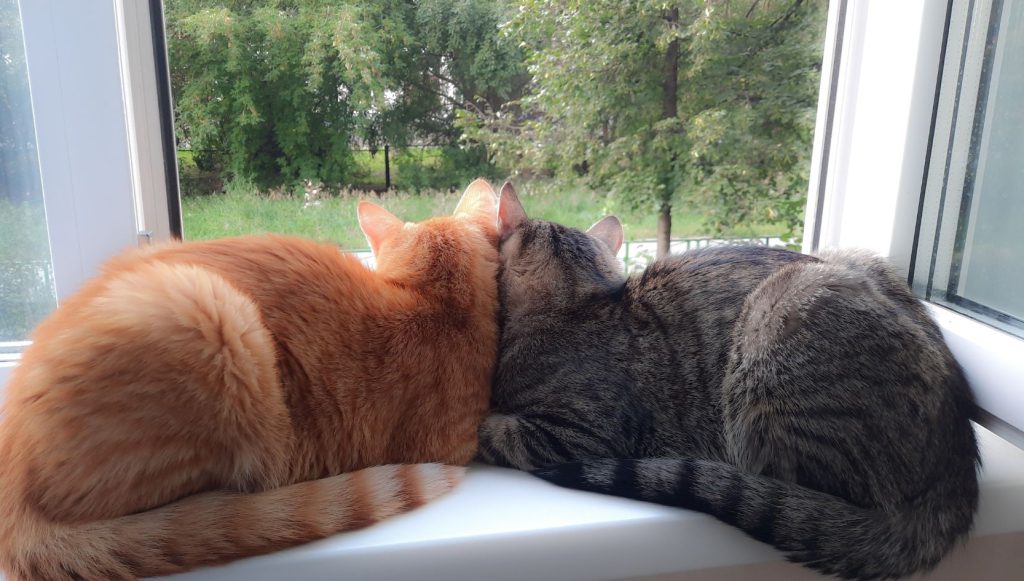
Two cats, an orange tabby and a grey tabby, sitting side-by-side on a white windowsill looking out a window at green trees and foliage.

Fleas and Ticks: Active Longer Than You Think

Fleas do not disappear in winter. They readily infest homes, where carpet, bedding, and furniture provide ideal temperatures and humidity for their life cycle to continue year-round. A single flea infestation can quickly escalate into a household problem that is far harder to eliminate than to prevent.

Year-Round Fleas

Protected indoor climates allow flea life cycles to thrive continuously, regardless of outdoor frost or freezing temps.

Resilient Ticks

Active during milder winter windows, surviving in leaf litter and specialized protected environments.

Ticks present a different but equally serious challenge. Species common in Alabama, including the lone star tick, Gulf Coast tick, American dog tick, and brown dog tick, can transmit serious diseases such as ehrlichiosis, anaplasmosis, Rocky Mountain spotted fever group infections, and others. Some tick activity continues during milder winter periods, and the range of certain species continues to shift.

Recent detections of the invasive Asian longhorned tick in Alabama add another reason for vigilance. While research is ongoing, its presence underscores that parasite landscapes are not static.

A fluffy white cat with striking blue eyes peeking up from behind a low surface in front of a window.

Busting Common Myths About Seasonal Prevention

Myth “I only need prevention in summer.”

Reality: Mosquitoes, fleas, and ticks do not follow a strict seasonal calendar in coastal Alabama. Gaps in protection leave pets exposed during mild weather, early springs, and late falls.

Myth “My pet is mostly indoors, so risk is low.”

Reality: Mosquitoes enter homes. Fleas hitch rides on clothing or other pets. Ticks can be brought indoors. Indoor status reduces some risk but does not eliminate it.

Myth “If I give prevention most of the year, missing a month or two is fine.”

Reality: Heartworm preventives work retrospectively on larvae acquired in the previous weeks. Missing doses creates unprotected windows. Consistency is the foundation of protection.

Myth “Natural remedies or occasional treatments are enough.”

Reality: Veterinary-approved preventives are rigorously tested for safety and efficacy. Unproven alternatives do not reliably prevent heartworm infection or control fleas and ticks at the level needed in high-risk regions.

Emerging Risks and Why Consistency Matters More Than Ever

Climate patterns, wildlife movement, and human travel all influence parasite distribution. Heartworm incidence remains stubbornly high in the Southeast despite decades of effective preventives. Part of the reason is incomplete compliance, for many pets still receive only seasonal or intermittent protection.

Year-round prevention also improves overall compliance. When protection becomes a simple monthly habit rather than a seasonal decision, fewer doses are missed. Many modern products offer broad-spectrum coverage, protecting against multiple parasites with a single regimen.

A diverse group of five dogs of various breeds and coat colors posing together in a lush green grassy field.

What True Year-Round Protection Looks Like

Effective year-round protection is tailored, consistent, and paired with regular veterinary care. It typically includes:

✓
A veterinarian-recommended heartworm preventive given on schedule, year-round
✓
Flea and tick control appropriate for your pet’s lifestyle and local risk
✓
Annual (or more frequent, if indicated) heartworm antigen testing in dogs
✓
Discussion of intestinal parasite control and fecal testing as recommended
✓
Ongoing conversation with your veterinary team about any lifestyle changes, travel, or new local concerns

The best product is the one your pet will receive reliably and that matches their individual needs. Your veterinary team can help you choose and stay on track.

A group of four long-haired Collie dogs with varying coat colors—including black-and-tan, blue merle, sable, and white—sitting and standing together outdoors in a grassy area with green foliage in the background.

Common Types of Parasite Prevention & How Often They Are Given

Year-round protection is the goal. The exact product and schedule should always be chosen with your veterinarian based on your pet’s species, age, weight, health status, lifestyle, and local risk. The table below gives a general overview of the most common options available for dogs and cats.

* This table is intended as a general educational guide only. Product labels, minimum age/weight requirements, and approved parasite coverage can change. The best plan is the one designed specifically for your individual pet by the Schreiber Veterinary Hospital team.

Category Common Forms Typical Frequency Typically Protects Against Important Notes
Heartworm Preventives
(macrocyclic lactones)
Oral chewables or tablets; some topical Monthly Heartworm larvae; many also cover roundworms and hookworms Must be given every month without gaps. Annual heartworm testing is still recommended.
Injectable Heartworm Preventives Veterinary injection
(ProHeart 6 or ProHeart 12)
Every 6 months or once yearly Heartworm larvae
(some also treat existing hookworms)
Given only by a veterinarian. Excellent for pets whose owners struggle with monthly dosing. Does not cover fleas or ticks.
Flea & Tick Preventives Oral chews, topical spot-ons, collars Monthly (most oral/topical); every 8–12 weeks (some oral); up to 8 months (certain collars) Fleas and multiple tick species Some products also help with mites. Choose based on whether your pet swims frequently, has outdoor access, or has a history of flea allergy.
Broad-Spectrum / Combination Products Monthly oral chews or topicals Monthly (most common) Heartworm + fleas + ticks + common intestinal worms
(roundworms, hookworms; some whipworms/tapeworms)
Convenient “all-in-one” option for many pets. Examples include products combining a heartworm preventive with an isoxazoline.
Longer-Acting Flea & Tick Options Oral chews or newer injectable formulations Every 12 weeks (oral); up to 12 months (certain injectables) Fleas and selected tick species Helpful for owners who prefer fewer doses per year. Still need separate heartworm protection unless it is a true combination.
Cat-Specific Products Mostly topical; some oral Monthly or every 2 months
(depending on product)
Heartworm, fleas, some ticks, ear mites, and certain intestinal worms Cats have fewer options than dogs. Never use a dog product on a cat—it can be toxic. Indoor cats still benefit from year-round protection.
Key reminders for Gulf Coast pet owners:
  • Consistency matters more than which specific brand you choose. A missed dose creates a window of risk.
  • Many modern products cover multiple parasites in one dose, which often improves compliance.
  • Puppies and kittens start prevention earlier and may need more frequent monitoring.
  • Your veterinarian may recommend pairing an injectable heartworm preventive with a separate flea/tick product for complete coverage.
Always purchase from a reputable veterinary source. Online pharmacies that require a valid prescription (like the one associated with Schreiber Veterinary Hospital) help ensure the product is authentic and appropriate.

A Partnership Built on Education, Not Sales

At Schreiber Veterinary Hospital, we stock quality preventives in our online pharmacy because convenient access supports better compliance. But we would far rather have a conversation about why year-round protection matters than simply fill a prescription. Understanding the “why” is what keeps pets safer for the long term.

Your pets depend on you. We are here to support that responsibility with clear information, individualized recommendations, and a shared commitment to their health.

If it has been a while since your pet’s last parasite prevention discussion or heartworm test, we invite you to schedule a visit. Let’s make sure the protection matches the real risks of life on the Alabama Gulf Coast, every month of the year.

Schedule a Visit

Connect with our team to review your pet's health plan or book an exam.

Contact Us
Online Pharmacy

Refill prescriptions or order veterinarian-approved preventives directly.

Visit Rx Store

Sources & Additional Reading

FAQ: Year-Round Parasite Prevention for Pets on the Alabama Gulf Coast

Do dogs and cats really need heartworm prevention year-round?
+

Yes. The American Heartworm Society, Companion Animal Parasite Council (CAPC), and FDA all recommend year-round heartworm prevention for dogs and cats. Even though mosquito numbers drop in cooler months, the risk never fully disappears, especially in coastal Alabama, where mild winters and high humidity allow mosquitoes to remain active longer. A single missed month can leave a window for infection.

Why isn’t “summer-only” prevention enough?
+

Seasonal prevention leaves gaps. Heartworm preventives work by killing larvae acquired in the previous 30–45 days. If mosquitoes emerge early or linger late (common on the Gulf Coast), pets that stopped prevention in fall or winter can become infected. Fleas and ticks also remain active in mild weather and thrive indoors year-round. Year-round coverage eliminates these unprotected windows.

Can indoor pets get heartworms, fleas, or ticks?
+

Yes. Mosquitoes easily enter homes through doors and windows. Fleas hitch rides on clothing, other pets, or people. Ticks can be carried indoors on pets or people and survive in protected outdoor areas during milder weather. Indoor status lowers risk but does not eliminate it, especially in a high-humidity, warm climate like Foley and the surrounding Gulf Coast.

How often should I give my pet parasite prevention?
+

Most oral and topical preventives are given monthly. Some longer-acting options last 8–12 weeks, and injectable heartworm preventives can last 6 or 12 months. The exact product and schedule should be chosen with your veterinarian based on your pet’s age, weight, lifestyle, and health. Consistency is more important than the specific brand.

Do cats need heartworm prevention too?
+

Yes. Cats can become infected with heartworms, and there is no approved treatment for adult heartworms in cats. Even indoor cats are at risk because mosquitoes enter homes. CAPC and the American Heartworm Society recommend year-round prevention for all cats living in areas where heartworm is present, which includes coastal Alabama.

What happens if I miss a dose of prevention?
+

Missing a dose creates a gap in protection. Heartworm larvae acquired during that gap can mature into adult worms. If you miss a dose, contact your veterinarian right away. Do not simply restart the product without guidance, especially if several weeks have passed, because testing may be needed first.

How often should dogs be tested for heartworm?
+

Dogs should be tested for heartworm at least once a year, even if they are on consistent prevention. Testing confirms the preventive is working and catches any breakthrough infections early. Testing is also required before starting or restarting a heartworm preventive after a lapse.

Are year-round preventives safe for long-term use?
+

Yes, when used according to label directions and under veterinary supervision. The medications have been extensively studied and are among the safest products used in veterinary medicine. Your veterinarian will consider your pet’s individual health, age, and any concurrent conditions before recommending a specific product.

When should puppies and kittens start parasite prevention?
+

Puppies and kittens can typically begin heartworm and flea/tick prevention as early as 6–8 weeks of age (depending on the product). Early and consistent protection is especially important because young animals are more vulnerable and often have higher exposure to intestinal parasites as well.

What is the best way to protect my pet from fleas, ticks, and heartworms at the same time?
+

Many modern combination products protect against heartworm, fleas, ticks, and common intestinal worms in a single monthly dose. Other pets do better with an injectable heartworm preventive paired with a separate flea-and-tick product. Your veterinary team can help match the right approach to your pet’s needs and your lifestyle so protection stays consistent all year.