
If you’re looking for a pet that combines a quirky personality with a manageable size, the guinea pig (or “cavy”) is a top contender. In fact, according to the 2025-2026 APPA National Pet Owners Survey, guinea pigs are now the second most popular small mammal pet.
Whether you are a new “piggy parent” or still thinking about adoption, this guide will walk you through essential insights to help your new friend thrive. From setting up the perfect home to understanding dietary needs and social habits, we’ve gathered practical, vet-approved advice to help you welcome your cavy with confidence.
A common misconception is that guinea pigs can live happily in a small starter cage. In reality, they need significant floor space to maintain their muscle tone and mental health. Because they are ground-dwellers who don’t climb or wheel-run, they rely entirely on horizontal square footage.
For a pair, the absolute minimum is 7.5 square feet, though 10.5 square feet is our preferred recommendation to prevent territorial squabbles and encourage "zoomies."
“Cubes and Coroplast” setups are customizable grids that allow you to build a habitat tailored to your home’s dimensions, often at a lower cost than traditional cages.
Provide at least one hideout per pig, plus one extra. Every hideout must have two exits so one pig can’t “trap” another inside.
Keep habitats in a draft-free area between 64–75°F. Place them where they can see the family, but away from loud speakers or high-traffic areas.
Choice of bedding affects foot health and respiratory comfort. High-wicking fleece liners are a top trend because they are softer on "bumblefoot-prone" paws. If using disposable materials, always choose high-quality, unscented paper.
Never use cedar or untreated pine shavings. These contain phenols (aromatic oils) that can cause chronic respiratory irritation and liver issues in small mammals.
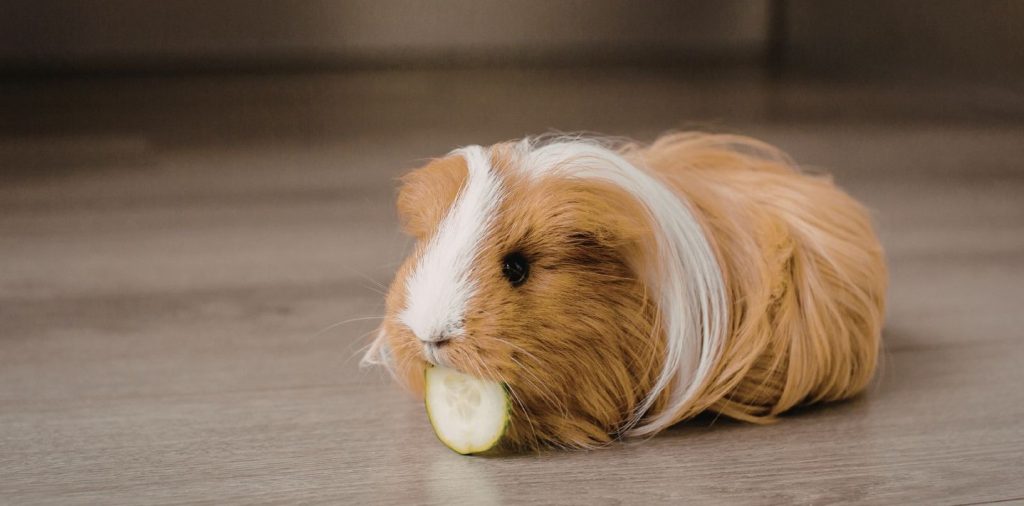
Guinea pigs are strict herbivores with a unique biological quirk: they cannot produce their own Vitamin C. Without it, they can develop scurvy, similar to humans. A thoughtful diet is essential for preventing painful joint issues and ensuring a long, healthy life.
Avoid iceberg lettuce (no nutrition), onions, garlic, and potatoes. Steer clear of "muesli" mixes containing seeds or nuts—these are choking hazards and can lead to intestinal blockages.
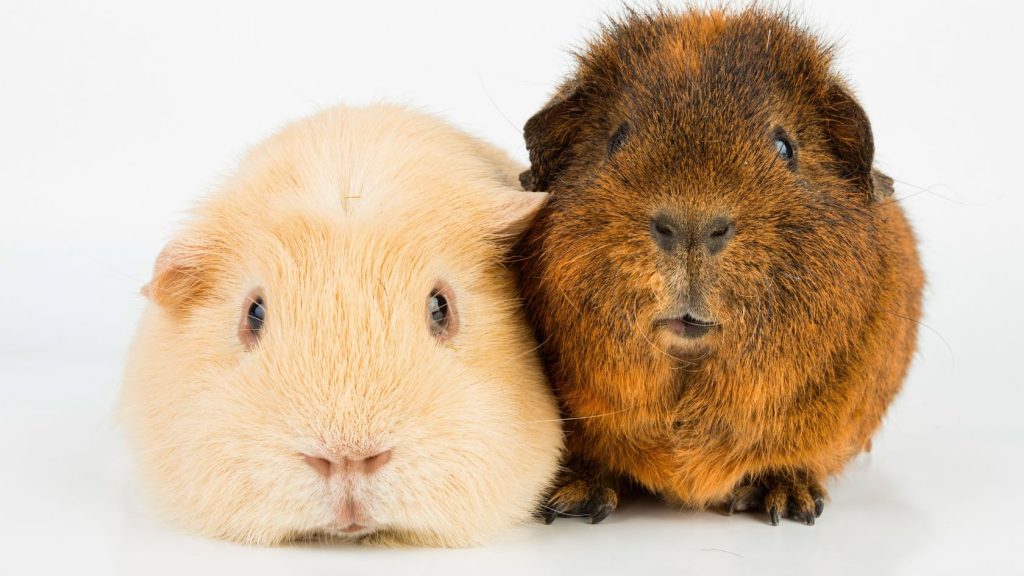
Guinea pigs may be small, but they are surprisingly chatty! These social little cavies use a rich vocabulary of sounds, often called vocalizations, to express everything from excitement and contentment to annoyance, fear, or even pain. Learning to “speak guinea pig” helps you respond to their needs faster and catch potential problems early.
"I'm Hungry!" This loud, high-pitched whistle is the classic sound of excitement. You'll hear it when you rustle a treat bag or open the fridge.
"Loving Life." A soft, repeated chatter that signifies pure contentment. It’s the piggy version of humming happily to yourself while exploring.
"Pure Relaxation." A low, steady vibration. When paired with a relaxed body, it means your pet is enjoying their petting or brushing session.
"I'm the Boss." A deeper, motor-like sound often paired with a "rumble strut." It signals dominance, courtship, or occasionally mild annoyance.
"I Dislike This." A soft complaint often heard during nail trims or when they don't want to be picked up. If persistent, it may indicate discomfort.
"The Mystery." A rare, bird-like sound. It often occurs when a piggy is startled or in a very deep state of relaxation. Its exact meaning is still debated.
"Back Off!" A rapid clicking or grinding. This is a clear warning that your cavy is irritated or feels threatened. Give them space immediately.
"Emergency!" A loud, urgent cry indicating real pain or extreme fear. If you hear this, check your piggy and contact your exotic vet right away.
One of the most important things to learn is that guinea pigs are herd animals. They are highly social creatures that rely on the company of their own kind for safety, warmth, and mental stimulation.
A pair of the same sex (or a neutered/spayed pair) will be significantly happier and live longer than a solitary pig. Watching two companions interact, groom each other, and sleep together is one of the most rewarding parts of cavy ownership.
When happy or excited, they perform "popcorning" which is a sudden little hop, kick, and twist in the air that shows pure cavy joy.
Guinea pigs love to play through movement. They often engage in "zoomies," where they run high-speed laps around their habitat to burn off energy.
They are naturally curious explorers. Providing safe "floor time" allows them to investigate new tunnels, forage for hidden hay, and interact with you on their level. Enrichment toys like willow balls, cardboard mazes, and safe chew-logs are essential for preventing boredom and keeping their constantly growing teeth healthy.
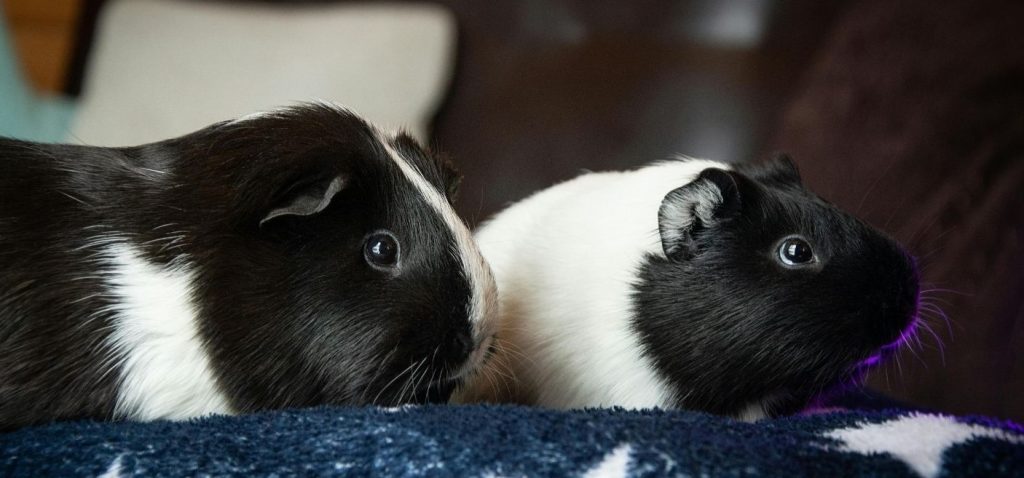
Grooming isn’t just about looking good; it’s a vital health ritual that lets you catch issues early. Incorporating these tasks into your routine ensures your cavy stays comfortable and healthy.
Regular checks include feeling for lumps, watching their appetite, and noting any changes in their signature “wheeking” or activity level.
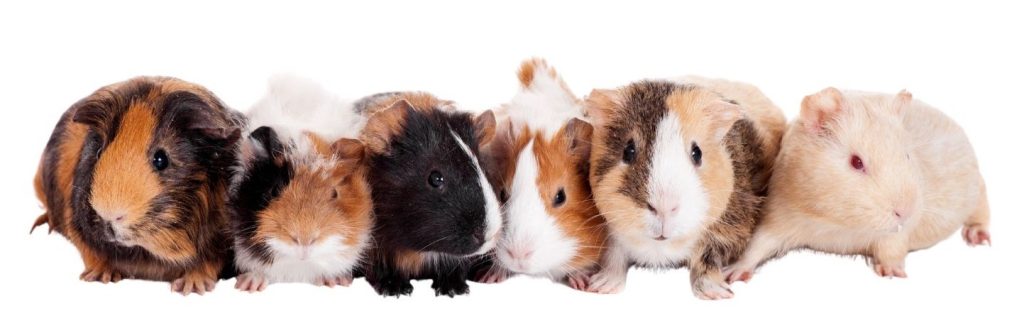
Before bringing a new guinea pig home, a quick visual and auditory health check can give you peace of mind and ensure a smooth transition for your new pet.
Adopt from reputable rescues or breeders whenever possible. Many shelters have bonded pairs already waiting for their forever homes. If you find bonded guinea pigs, please don't separate. Keep them together.
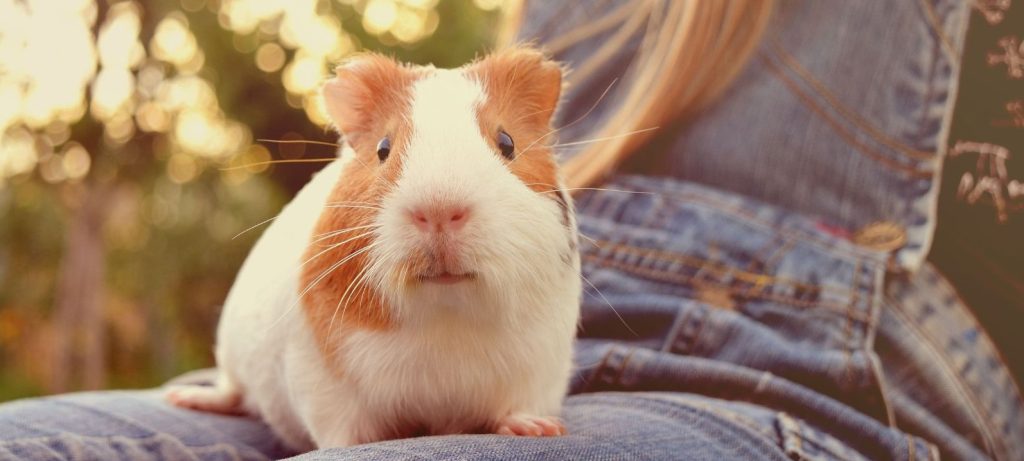
Guinea pigs are naturally shy prey animals, so building a strong, trusting bond takes patience and consistency—but the rewards are enormous. Once your piggy feels safe, gentle snuggles and happy wheeks become part of everyday life.
Start slow during the first few days. Let your cavy settle into its habitat without forcing interaction. Sit quietly beside the cage and speak in a calm, low voice.
Offer favorite treats—like a small piece of red bell pepper or a sprig of cilantro—through the bars so they learn to associate you with good things.
Use this method every time you lift your cavy to ensure they feel stable and secure.
Never pick a guinea pig up by the scruff or let their legs dangle. Watch for stress signals such as freezing, rapid breathing, teeth chattering, or trying to hide—these mean it’s time to return them home.
Daily lap time and supervised floor time are the best bonding tools. Many owners find that a fleece “cuddle sack” on their lap makes piggies feel safer. Over time, most cavies will learn to run to the front of the cage when they hear your voice.
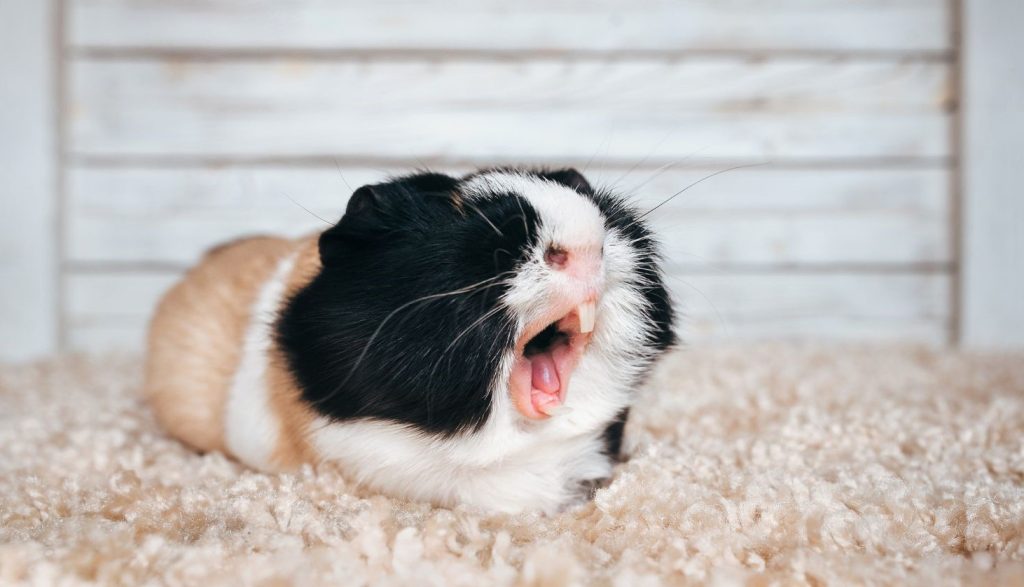
Even with excellent care, guinea pigs can develop health issues quickly because of their sensitive digestive systems and constantly growing teeth. Knowing the early warning signs can literally save a life.
Exotic-pet veterinarians recommend a wellness exam within the first month of adoption and at least once a year after that. Your vet can trim nails, check teeth under sedation if needed, and discuss fecal testing for parasites. Many clinics now offer guinea-pig-specific dental and nutritional packages.
If your cavy shows any of the signs above, contact your exotic vet immediately. Do not wait until morning. Guinea pigs hide illness extremely well, so what looks like “a quiet day” can become a crisis overnight.
By staying observant and scheduling regular check-ups, you’ll catch most problems early and give your cavy the long, happy life they deserve.
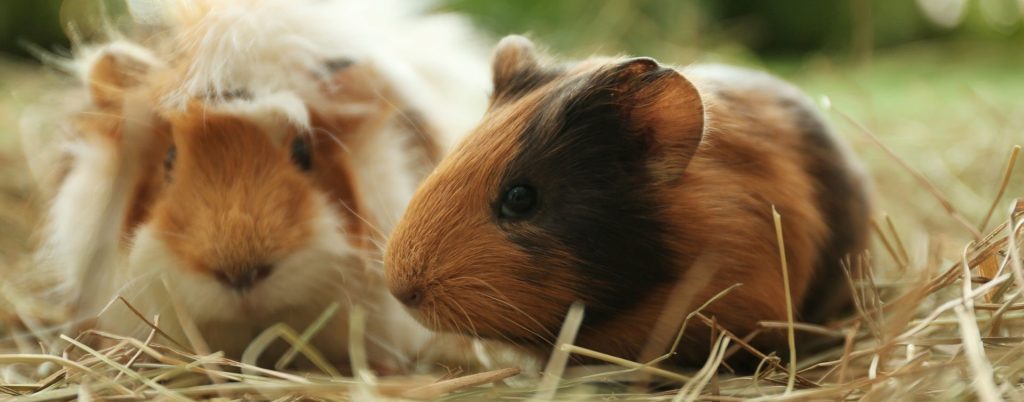
Guinea pigs may be small, but they bring enormous personality and affection into a home. By providing the right space, diet, social companionship, and daily care, you’ll enjoy years of popcorning, wheeking, and cuddly companionship.
If you have questions about your guinea pig’s health, need help choosing the right setup, or want to schedule a wellness check, our clinic is always here to help these small pets live big lives. We offer gentle handling, exotic-pet expertise, and a team that genuinely loves cavies as much as you do.
Your pet’s health and happiness start with knowledge, and you’ve just taken a wonderful first step.