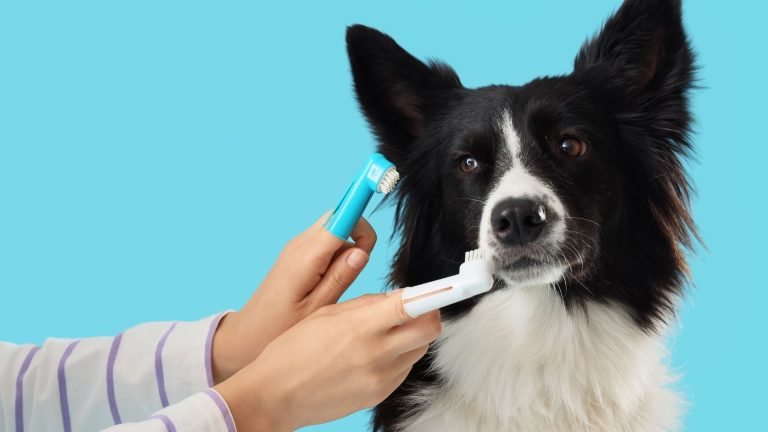


Here in Foley and along the beautiful Gulf Coast of Alabama, our warm, humid subtropical climate creates ideal conditions for mosquitoes, fleas, and ticks to thrive nearly year-round. At Schreiber Veterinary Hospital, we regularly treat pets affected by these preventable parasites, which can lead to serious, even life-threatening health issues.
Heartworm disease, transmitted by mosquitoes, damages the heart, lungs, and arteries. Fleas cause intense itching, allergies, and anemia, while ticks transmit dangerous bacterial diseases. Even indoor pets remain at risk in our environment. This comprehensive guide provides in-depth, vet-approved strategies tailored to coastal Alabama lifestyles, whether your dog enjoys beach walks, your cat explores the porch, or you care for rabbits, chickens, or other exotics. Consistent prevention protects your furry and feathered family members.


Alabama consistently ranks among states with the highest heartworm incidence, particularly along the Gulf Coast where Baldwin and Mobile Counties see elevated cases. Mosquitoes transmit heartworm larvae (Dirofilaria immitis) with a single bite; these develop into adult worms that can grow up to a foot long and severely impair cardiovascular and pulmonary function. Dogs show symptoms like persistent cough, exercise intolerance, weight loss, and fatigue, while cats may experience vomiting, wheezing, sudden collapse, or heartworm-associated respiratory disease (HARD).
Fleas and ticks flourish in our high-humidity yards, wooded areas, and post-rain environments. Fleas multiply rapidly indoors and outdoors, causing flea allergy dermatitis, tapeworms, and anemia especially dangerous for puppies, kittens, and small breeds. Ticks transmit ehrlichiosis, anaplasmosis, Rocky Mountain spotted fever, and other pathogens. Mild winters and frequent coastal storms in Foley keep parasite pressure high throughout the year, unlike colder regions with natural seasonal breaks.
Even predominantly indoor pets face exposure because mosquitoes enter homes easily, and fleas hitchhike on clothing or visitors.


The American Heartworm Society (AHS) and Companion Animal Parasite Council (CAPC) strongly recommend year-round prevention for all dogs and cats in endemic areas like coastal Alabama. Start puppies and kittens as early as 6 to 8 weeks of age (per product labels) and continue without interruption.
Use FDA approved macrocyclic lactones such as chewables, topicals, or 6 to 12 month injections. Many combination products also cover fleas, ticks, and intestinal parasites for convenience.
Perform antigen and microfilaria tests before starting prevention and yearly thereafter. In high risk Gulf Coast areas, some clinics test twice annually for early detection.
Eliminate standing water in flowerpots, gutters, birdbaths, and tires. Use pet safe repellents, install screens, and limit outdoor time at dawn and dusk. Newer guidelines endorse isoxazoline products and EPA approved repellents to kill mosquitoes.
Consistent use prevents infection and reduces the risk of resistant heartworm strains. Treatment for existing infections is lengthy, expensive, and carries risks. Prevention remains far superior.
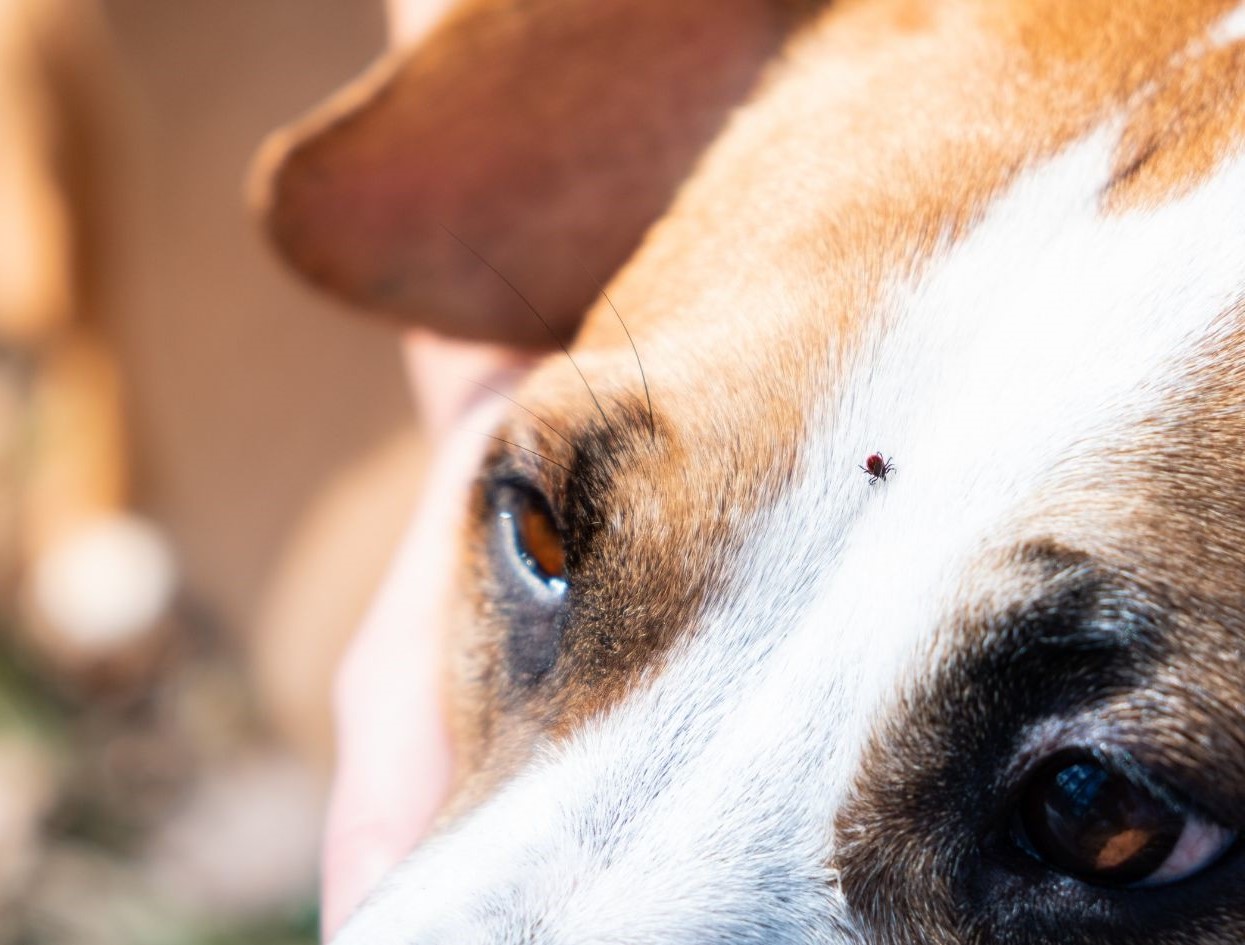

Year-round flea and tick prevention is essential in Alabama’s climate, where these parasites remain active even in milder winter months. CAPC guidelines emphasize lifelong, broad-spectrum control for every pet in the household.
Choose oral isoxazolines or topical treatments that kill fleas and ticks quickly. Many integrate with heartworm preventives for streamlined care. Avoid over-the-counter options, which are often less effective and riskier.
Vacuum frequently, wash bedding in hot water, and mow grass short. Treat yards with pet-safe products targeting shaded, moist areas where fleas and ticks congregate. Clear leaf litter and debris.
Inspect ears, neck, groin, armpits, and between toes after outdoor activity. Prompt removal of ticks reduces disease transmission.
For long-term peace of mind without tracking monthly calendar schedules, long-acting injectable preventatives represent a fantastic medical alternative to traditional monthly treatments. Administered safely by a veterinary professional during regular checkups, this option utilizes advanced technology to eliminate human error entirely.
| Method | Frequency | Key Advantages | Important Considerations |
|---|---|---|---|
| Oral Chews (Pills/Tablets) |
Every 30 Days | Clean and mess-free; fur stays completely dry. Safe around children immediately after dosing. Highly effective internal absorption. | Relies entirely on owner memory. Picky pets may resist swallowing or vomit the dose, creating unmeasured protection gaps. |
| Topical Fluids (Squeeze-on) |
Every 30 Days | Great for pets who refuse oral meds or suffer from sensitive stomachs. Often repels pests on contact before they bite. | Leaves a greasy residue. Pet must remain completely dry (no swimming or bathing) for 48 hours before and after application. |
| Veterinary Injectables (Extended-Release) |
Up to 12 Months | Zero missed doses. Single professional administration covers four full seasons. Ideal for busy families or highly active outdoor dogs. | Must be administered in-clinic by a vet. Only addresses external pests (fleas/ticks); must still be paired with internal heartworm defense protocols. |
Missing a monthly preventative dose is the most common cause of protection failure. To eliminate the stress of tracking calendar dates, consult with Dr. Schreiber to determine if an extended-release injectable preventative is the right choice for your pet.
Contact Schreiber Veterinary HospitalHigh humidity accelerates flea life cycles because one female flea can produce thousands of eggs. Breaking the cycle with consistent veterinary protection, whether through oral choices or effortless extended-release injections, prevents household infestations that are difficult to eradicate.
A metal flea comb is one of the simplest, most effective non-chemical tools for monitoring and reducing flea (and sometimes tick) burdens in our humid coastal environment. These combs have tightly spaced teeth that trap adult fleas, flea dirt (black specks that turn red when wet), eggs, and debris right down to the skin.
This tool works well for dogs, cats, and even some exotics with suitable coats.
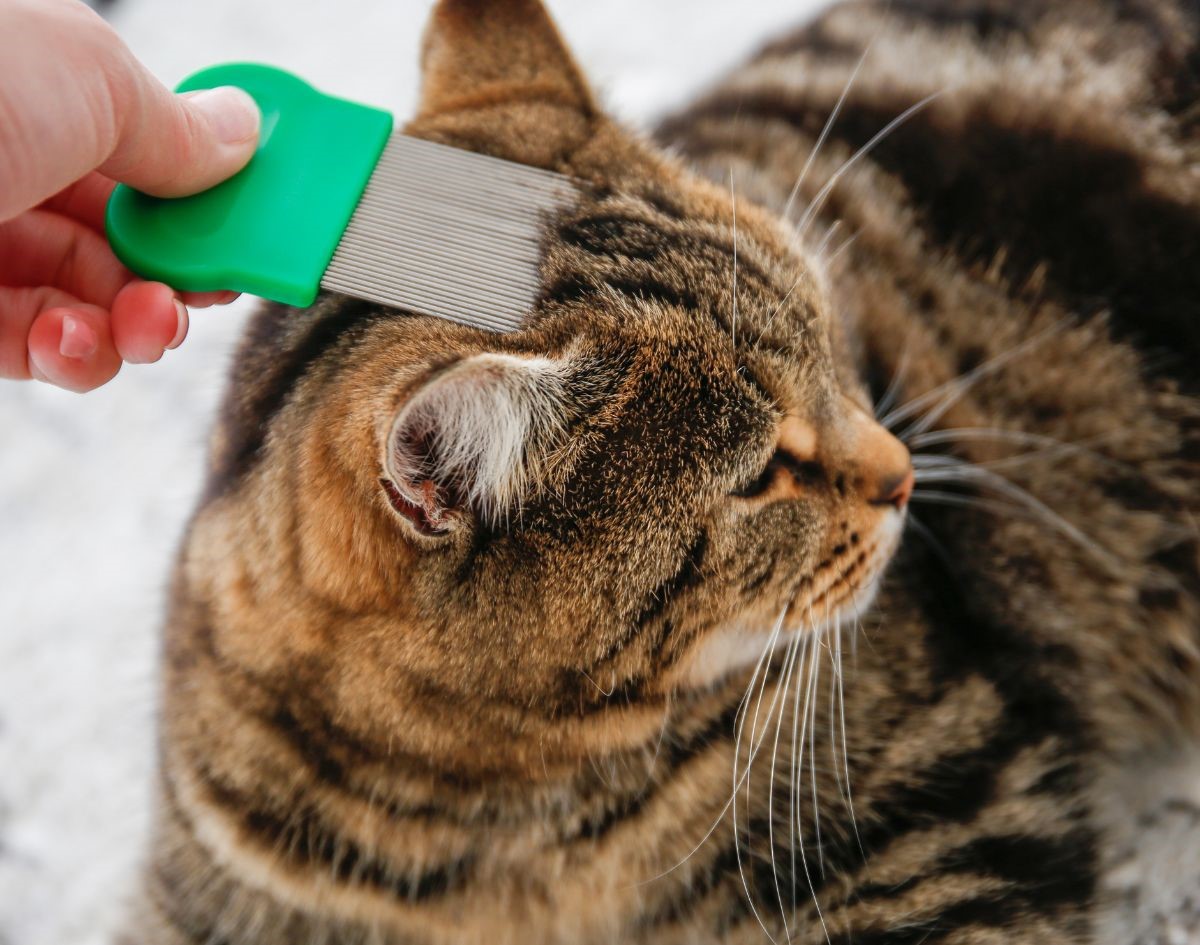
Regular grooming with a specialized comb helps catch parasite issues before they escalate.
Step-by-Step Guide to Using a Flea Comb
Select a sturdy metal flea comb with fine, rounded teeth to avoid skin irritation.
Use on dry fur. First brush with a regular grooming brush to remove mats and tangles for smoother combing.
Start at the head and neck, working toward the tail in the direction of hair growth. Focus on high risk areas: under the chin, belly, groin, armpits, base of tail, and between toes. Use slow, steady strokes.
After each pass, dip the comb into a bowl of lukewarm water mixed with a few drops of dish soap (like Dawn) to drown fleas and eggs. Rinse and dry the comb before the next pass.
Comb at least once a month for prevention, or daily during active infestations. Perform sessions outdoors or in a bathtub to contain any escaping fleas. Do two full passes per session.
Regular flea combing helps detect problems early before they explode in our humid climate. It physically removes adult fleas (reducing immediate discomfort and blood loss in puppies, kittens, and small breeds), monitors the effectiveness of preventives, and provides a gentle bonding activity. Combine with vet-recommended treatments for best results. Combing alone does not replace monthly preventives.

Not every pet faces the same parasite risks, which means a one-size-fits-all approach to prevention rarely works. A pampered lap dog who only leaves the house for short backyard potty breaks needs a completely different defense strategy than a hunting hound tracking through the dense, tick-heavy brush of the coastal lowlands.
Pets that spend time at local dog parks, grooming facilities, or boarding kennels face a higher risk of picking up contagious pests or intestinal parasites from other animals.
Young puppies and kittens have fragile immune systems and are highly susceptible to severe complications from hookworms or flea anemia. Senior pets or those with underlying medical conditions require careful product selection to avoid adverse drug interactions.
Certain herding breeds (such as Australian Shepherds, Collies, and Whippets) may carry the MDR1 gene mutation. This mutation makes them highly sensitive to specific medications, requiring careful, vet-supervised drug selection.
If your dog is an opportunistic scavenger that hunts lizards, frogs, or rodents in the yard, they are at a much higher risk for specific tapeworms and complex intestinal parasites that typical heartworm preventatives might miss.
Parasite prevention is a dynamic medical strategy. Comprehensive yearly wellness exams allow your veterinarian to safely calculate changing medication dosages as your pet grows, screen for underlying heartworm infections before starting a new regimen, and pivot your strategy if your pet's lifestyle or health changes.
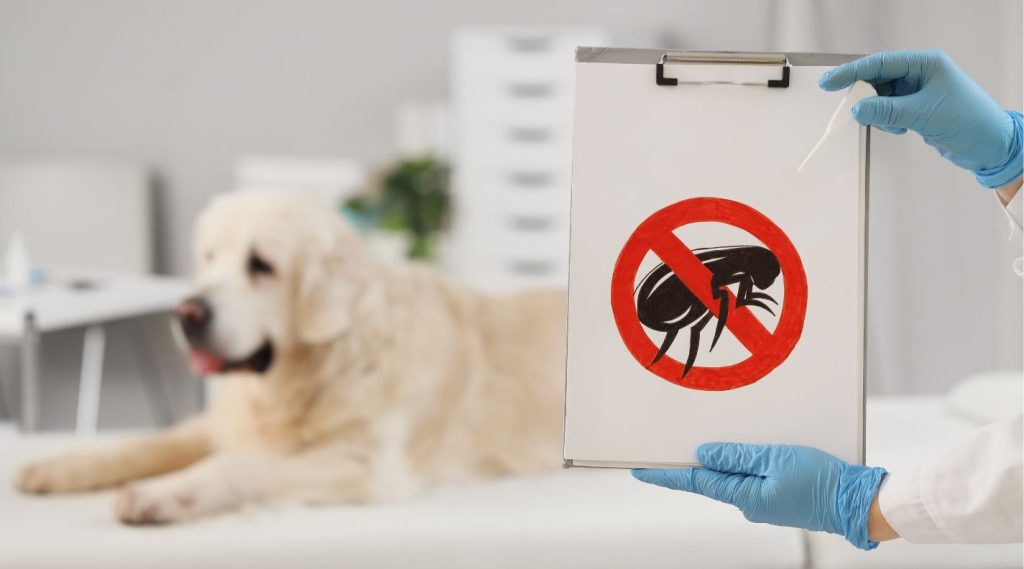
Even the most attentive pet owners can occasionally be blindsided by a breakthrough infection, a situation where a pet tests positive for parasites despite being on a preventative plan. In our warm, coastal climate, understanding how these breakthroughs happen highlights why keeping a strict, non-stop defensive schedule is so vital.
It can be tempting to pause parasite medications during the cooler winter months to save on costs. Our local temperatures frequently stay mild enough for fleas, ticks, and mosquitoes to remain completely active year-round, meaning a winter pause just leaves a wide-open window for infection.
Life gets busy, and dropping a dose by even a week or two can cause systemic medication levels to fall below the protective threshold, giving microscopic heartworm larvae or opportunistic fleas the exact head start they need.
Dogs are masters at hiding unchewed pills under their tongues or spitting them out in the yard when you are not looking. For topical treatments, a dense coat or a poorly targeted application might prevent the fluid from absorbing properly into the skin, while an unexpected rainstorm or bath too close to application can wash away protection.
If a yard has a severe, untreated flea infestation or is heavily populated by wildlife carriers like raccoons and opossums, the sheer volume of newly hatching pests can temporarily swarm a pet, making it seem like the product is not working while it struggles to keep up with the overwhelming population.
Parasite control is not a seasonal task, it is a continuous shield. Modern veterinary preventatives are specifically designed to be given exactly every 30 days (or on a precise 12-week schedule for certain long-acting options) to ensure there is never a single day where your pet's biological defenses drop.

When walking down the pet care aisle at a local grocery or big-box store, it is easy to be overwhelmed by rows of brightly colored boxes promising complete parasite protection at a fraction of the cost. However, there is a vast gap in safety, science, and efficacy separating over-the-counter (OTC) products from veterinary-prescribed medications.
Many older OTC topicals and collars rely on chemical formulas that have been on the market for decades. Over time, local parasite populations, especially fleas, have developed widespread genetic resistance to these older active ingredients. This means a budget product might not kill pests quickly enough to break their reproductive cycles.
Veterinary-prescribed preventatives undergo rigorous, multi-year FDA or EPA approval processes demonstrating strict safety margins for specific weights, ages, and medical backgrounds. Some older OTC options utilize chemical classes that carry a significantly higher risk of localized skin chemical burns, neurological reactions, or toxicities if accidentally ingested or misapplied.
A major hazard of retail shopping is accidental cross-species poisoning. Certain canine OTC flea and tick treatments contain permethrin, an ingredient that is perfectly safe for dogs but highly toxic, and frequently fatal, to cats. Prescribed plans eliminate this room for error through explicit, vet-verified safety checks.
When you purchase your preventatives directly through a licensed veterinary hospital, the manufacturing pharmaceutical companies fully back their products. If your pet strictly takes a prescribed heartworm or flea preventative and still manages to test positive for a parasite, the manufacturer often steps in to help cover the costs of diagnostic testing and medical treatment. OTC retail purchases carry absolutely no such safety net.
A veterinary prescription represents more than just a piece of paper. It ensures that a medical professional has evaluated your pet's organ function, weight, lifestyle, and breed sensitivities before choosing a chemical defense. This step guarantees you are investing in a product that is both safe for your pet's body and completely lethal to local parasites.
Protecting your pet from local parasites has never been easier. Explore our digital shop or connect with our clinical team to safeguard your companion.
Please note → Prescription items ordered online require a veterinary visit and an active approval file on record.

Navigating parasite control along the beautiful Alabama coast can feel like a constant battle against nature, but it does not have to be an overwhelming one. By shifting the focus from treating active infestations and infections to establishing a rock-solid, defensive shield, you can easily protect your companion from the hidden dangers of fleas, ticks, heartworms, and intestinal pests.
True parasite prevention is built on three simple principles: absolute year-round consistency, choosing veterinary-vetted products tailored specifically to your pet's body, and maintaining regular communication with your veterinary care team. Investing in a continuous, customized defense plan safeguards your pet's long-term health while preserving your home's peace of mind.
At Schreiber Veterinary Hospital, we are dedicated to helping your family choose the perfect, most effective solutions for your unique lifestyle. Whether you need a regular screening check-up, a medication adjustment for a growing puppy, or guidance on environmental yard management, our clinical team is always here to support you and your companion through every single season.
Click on any question below to reveal detailed insight regarding pet safety and parasite prevention along our humid coastal environment.
No medication is 100% effective, and pets can occasionally spit out pills, rub off topical treatments, or experience delayed doses. Giving heartworm preventative to an animal that has an active heartworm infection can cause severe, life-threatening allergic reactions, making an annual screening a crucial safety measure before renewed prescription cycles.
Absolutely not. Many canine preventative treatments contain pyrethrins or permethrins, which are perfectly safe for dogs but highly toxic, and frequently fatal, to cats. Always use species-specific formulas prescribed by your veterinarian to avoid accidental poisoning.
Yes. If one pet has visible adult fleas, your home environment already harbors flea eggs, larvae, and pupae. Untreated pets act as a continuous breeding ground, allowing the infestation to persist. Every dog and cat in the household must be on a consistent preventative plan to completely break the life cycle.
As a general rule, you should keep your pet completely dry for 48 hours before and 48 hours after applying a topical treatment. This window allows the medication to fully absorb into the skin's natural oils. Always review your specific product label or confirm instructions with our clinical staff.
Yes, indoor pets still face substantial risks. Mosquitoes carrying heartworm larvae easily slip inside through open doors or windows, and hitchhiking fleas or ticks can be brought indoors on your clothing or by other visiting pets. Furthermore, some indoor pests like mice can carry intestinal parasite eggs into your living spaces.
Give the missed dose immediately when you remember, then mark your calendar for a new monthly schedule 30 days from that point. Do not double up on doses to make up for lost time. If your heartworm preventative is delayed by more than two weeks, contact our hospital to check if a screening test is required before continuing.
If tracking strict 30-day calendar dates is difficult or your pet actively resists taking pills and topical liquids, a long-acting injectable preventative is an excellent alternative. Administered professionally in-clinic by a veterinarian, these advanced formulas provide continuous protection against pests for months at a time, completely removing human error and protecting your pet all year long.
Neither method is universally "better," as both provide exceptional medical defense against parasites; the ideal choice depends entirely on your lifestyle and your pet's personality. Oral chews are fantastic for easy at-home administration if your pet takes treats willingly, whereas injectables are superior for eliminating human forgetfulness, bypassing the risk of a pet spitting up a pill secretly, and providing long-term peace of mind with a single professional visit.
Several common intestinal parasites, including roundworms and hookworms, are zoonotic, meaning they can be transmitted from pets to humans. Contact with contaminated yard soil or sandbox sand can lead to skin or internal infections, which is why keeping pets on year-round preventatives protects human family members too.