

Obesity in dogs is a growing epidemic, mirroring trends in human health. Approximately 59% of dogs in the United States are classified as overweight or obese (Association for Pet Obesity Prevention, 2022). This condition not only reduces a dog’s quality of life but also shortens their lifespan by up to two years, increasing risks for diseases like diabetes, arthritis, and heart problems (German, 2006). Interestingly, obese dogs are more likely to have obese owners, with studies showing a correlation where owners’ body mass index positively correlates with their dog’s body condition score (Nijland et al., 2010).
In this article, we’ll explore strategies for managing obesity in dogs, focusing on veterinary-recommended diets and exercise plans, supported by real-world data and expert advice. By implementing these approaches, pet owners can help their dogs achieve a healthier weight and enjoy a more active life.
Meet Bella, a fictional 6-year-old Golden Retriever living in a suburban home. At her annual vet check-up, Bella tipped the scales at 95 pounds, which is far above her ideal 65-75 pounds.
Her owner, Sarah, noticed Bella struggling to climb stairs, panting excessively during short walks, and begging for table scraps. The veterinarian diagnosed obesity, warning of potential joint issues and diabetes.
Motivated, Sarah switched Bella to a veterinary-prescribed weight-loss diet, measuring portions strictly and limiting treats to low-calorie veggies. They started with 10-minute daily walks, gradually building to 30-minute brisk outings and weekend swims. After six months, Bella shed 20 pounds, regained energy for fetch games, and even inspired Sarah to adopt healthier habits.
Bella’s story illustrates how consistent diet and exercise changes can transform a dog’s life—hypothetically in this example, but grounded in real veterinary success stories.
Regular monthly weigh-ins at home can track progress, aiming for 1-2% body weight loss per week to avoid muscle loss.
Dog obesity occurs when a canine weighs 10-20% above their ideal body weight, escalating to obese at 21% or more (FDA, 2023). In a large-scale study of nearly 5 million dogs across U.S. veterinary practices, obesity prevalence peaked at 12.6% in mature dogs (aged 7-10 years), highlighting how age influences weight gain (Rowe et al., 2024). Owners often underestimate their pet’s weight; only 35% of dog owners recognized their pets as overweight, despite veterinary assessments showing higher rates (APOP, 2024). This disconnect underscores the need for professional evaluations.
Diabetes in dogs has surged 98% over the past decade, largely tied to obesity.
(Texas A&M University, 2023)
Common causes include overfeeding, excessive treats (which can account for 20% of daily calories), sedentary lifestyles, and genetics, and certain breeds like Labrador Retrievers are predisposed (Cornell University, 2023).
Health risks are severe. Overweight dogs face increased chances of osteoarthritis, respiratory issues, and reduced lifespan. For instance, obesity can exacerbate joint problems, leading to a vicious cycle of inactivity and further weight gain (VCA Animal Hospitals, 2023). Early intervention is key, as dogs overweight during growth phases are 1.85 times more likely to remain so in adulthood (Rowe et al., 2024).
Before starting any plan, consult a veterinarian for a body condition score (BCS) assessment. A BCS of 6-7 indicates overweight, while 8-9 signals obesity (APOP, 2024). Feel for ribs. They should be palpable without excess fat. Visual cues include a lack of waistline or abdominal tuck. Vets may use tools like growth charts or calculate daily energy requirements to set goals. To better visualize these assessments, refer to this standard Body Condition Score (BCS) chart from the Association for Pet Obesity Prevention (APOP). It illustrates the differences in a dog’s appearance from a top-down view. This chart helps owners quickly identify their dog’s condition at home before a vet visit.
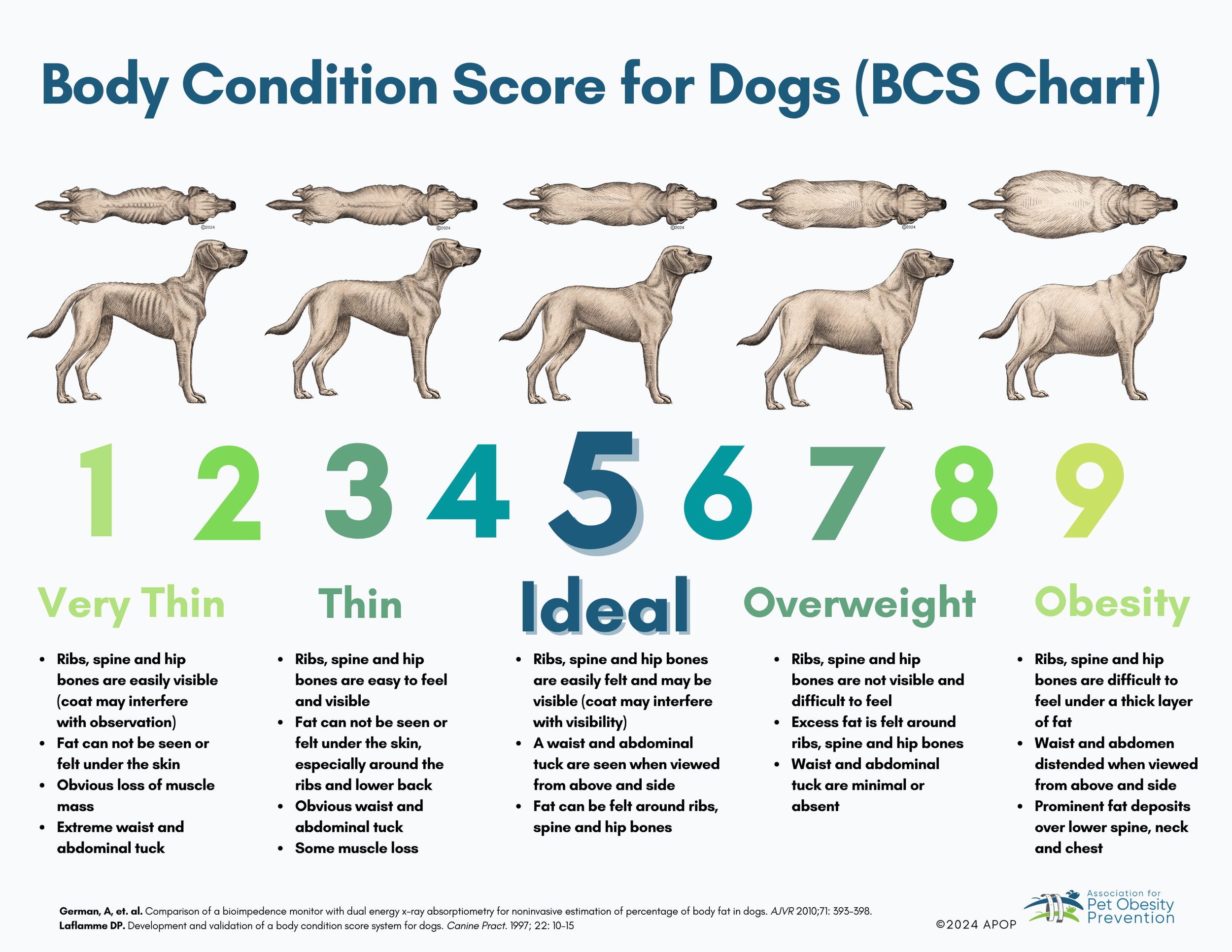
Pronounced waist with visible spine and hip bones, appearing narrow and bony.
Clear hourglass shape with a defined waist and straight back.
Straight or barrel-shaped body with no visible waist, due to fat accumulation.
According to the Association for Pet Obesity Prevention, “A quick BCS check is helpful, but regular veterinary evaluations remain the most reliable way to understand a pet’s condition and overall health.” Reach out to Schreiber Veterinary Hospital in Foley, Alabama for a wellness evalution.

Diet is the cornerstone of weight management, accounting for 60-70% of success. Veterinary therapeutic diets are specially formulated with lower energy density (around 300 calories per cup), higher protein to preserve muscle, and added fiber for satiety (Cornell University, 2023). Avoid simply reducing portions of regular food, as this risks nutrient deficiencies; instead, opt for prescription options like Purina Pro Plan Veterinary Diets OM Overweight Management, which helps dogs lose weight while maintaining muscle (Purina, 2023).
A 2021 AAHA guideline emphasizes individualized plans, warning against drastic cuts to prevent deficiencies (AAHA, 2021). The good news is there is hope! 62% of dog owners attempting weight loss used therapeutic diets successfully (APOP, 2024). Contact Schreiber Veterinary Hospital for a customized recommendation from Dr. Schreiber.
Use a scale or cup for portions, reducing intake by 10% initially. Switch to a digital kitchen scale to weigh food in grams or ounces, as kibble density varies.
Keep to 10% of daily calories and choose low-cal options like carrots, cucumbers, sweet potatoes, pumpkin, or green beans, celery.
These promote fullness; examples include diets with lean chicken or fish to help preserve lean muscle mass during weight loss, stimulate calorie burning, and enhance satiety to curb overeating.
Diets rich in fiber can enhance satiety, helping your dog feel full on fewer calories while supporting weight loss.
Incorporate water-rich veggies to bulk meals without calories. Consult your veterinarian before adding new foods, especially if your dog has allergies or health conditions.
Wet food can increase meal volume with higher moisture content, helping dogs feel fuller on fewer calories.

Exercise complements diet by burning calories and building muscle, but it’s crucial to consult your veterinarian before starting any program to ensure your dog’s safety and prevent injuries, especially if they have underlying health issues like joint problems or obesity-related complications. At Schreiber Veterinary Hospital in Foley, AL, we recommend scheduling a check-up with Dr. Schreiber for personalized recommendations tailored to your dog’s breed, age, fitness level, and medical history. Once cleared, aim for 30 minutes of daily aerobic activity, adjusted based on your vet’s guidance and your dog’s current fitness (APOP, 2023).
Following is a sample exercise plan and strategies. Discuss creative options with Dr. Schreiber for suitability.
(Under Veterinary Supervision)
10-minute slow walks, twice daily.
Increase to 20 minutes, adding gentle play like fetch.
30-minute brisk walks (12-17 minutes per mile pace)
or swimming for low-impact.
Incorporate variety, such as agility courses, swimming, or tug-of-war, to keep activities engaging, but only after vet approval.
Active dogs on weight-loss plans can consume 10% more calories while still losing weight (Cornell University, 2023).
Hydrotherapy (underwater treadmill) reduces joint stress by 50-60%, making it ideal for arthritic dogs.
Managing obesity in dogs requires a balanced approach of diet, exercise, and veterinary guidance. By addressing this issue proactively, owners can prevent serious health complications and enhance their pets’ vitality. Remember, every pound lost adds quality time, start today for a healthier tomorrow.
Is your dog struggling with extra weight? Don’t wait, take the first step toward a healthier, happier pet today. At Schreiber Veterinary Hospital in Foley, AL, our experienced team offer personalized weight management plans, including diet consultations and exercise guidance tailored to your dog’s needs.
Schedule an appointment now by calling (251) 203-1311 or visiting our contact page to get started on your pet’s wellness journey. Your furry family member deserves the best care!
Support your dog’s weight loss with vet recommended or prescribed therapeutic diets delivered to your home via the Schreiber Veterinary Hospital Online Pharmacy.
Dog obesity occurs when your dog weighs 10-20% above ideal body weight; 21%+ is considered obese. This is a significant health concern as approximately 59% of U.S. dogs are currently overweight or obese.
Carrying this extra weight can shorten a dog's lifespan by up to 2 years and substantially lowers their overall quality of life.
Weight gain in dogs is usually driven by a combination of factors:
It is important to manage weight early, as overweight puppies are 1.85 times more likely to stay overweight as adults.
Obesity creates an "inactivity cycle" and increases the risk for many serious conditions:
Many owners miss the early signs of weight gain. Look for the following:
We use the Body Condition Score (BCS) to evaluate health:
At home, you should be able to feel the ribs (they should be palpable with a very slight fat cover) and see a visible abdominal tuck and waist. We recommend scheduling a vet visit for an accurate assessment and personalized advice.
Prevention starts with structure. Measure all food portions precisely and limit treats to under 10% of their total daily calories. Ensure your dog gets daily exercise, skip all table scraps, and maintain regular veterinary BCS checks.
It is critical to start early; preventing puppy weight gain is the best way to avoid lifelong weight issues.
Switch to vet-prescribed low-calorie, high-protein, and high-fiber therapeutic diets. Always measure portions carefully. You may begin by reducing current intake by 10% initially under guidance.
Adding low-calorie vegetables like carrots or green beans can help your dog feel full. Avoid cutting regular food drastically on your own to prevent nutrient gaps.
Start slow to avoid injury. Begin with 10-minute walks twice daily, gradually building up to 30 minutes of brisk walking or swimming. Consult your vet first for safety, especially if your dog has joint issues; hydrotherapy is often recommended as it reduces stress on the joints.
A safe rate for weight loss is 1-2% of total body weight per week. Track this progress with monthly home weigh-ins and regular vet follow-ups to protect muscle mass and ensure steady, healthy progress.
You should see a vet immediately for professional BCS scoring and to create a tailored diet and exercise plan before starting any weight loss program. Regular vet visits help prevent complications and support the long-term success of your pet's health.