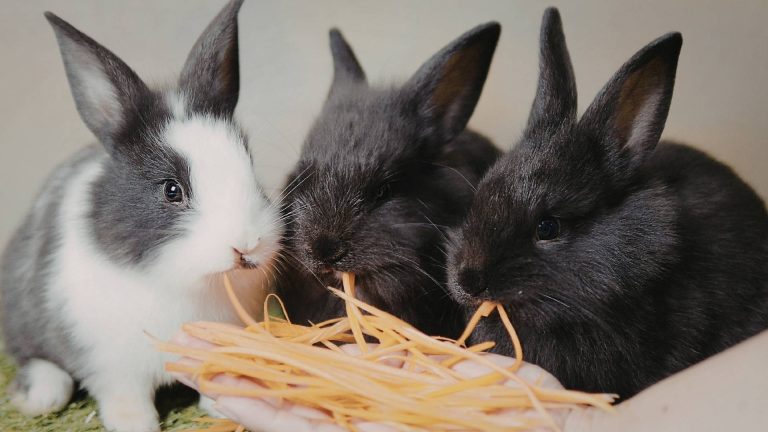

Pocket pets are tiny, endearing mammals that fit comfortably into our lives and homes. They have captured the hearts of millions. Whether you live in a cozy apartment or are looking for a first pet for your family, these compact companions offer a unique blend of entertainment, affection, and manageable care.In this article we will focus on hamsters, guinea pigs, gerbils, mice, and sugar gliders.
Unlike larger pets, pocket pets are perfectly suited for modern lifestyles. They are loved for the following reasons
With over 4 million homes in the United States currently sharing their lives with at least one pocket pet, they are a popular choice for teaching children responsibility through consistent care routines.
Because of their small size, these animals have delicate physiology that requires specialized attention. Preventive medicine is non-negotiable.
For those in Alabama, Schreiber Veterinary Hospital in Foley provides invaluable exotic expertise, including preventive medicine, surgery, and compassionate treatment tailored to small mammals.
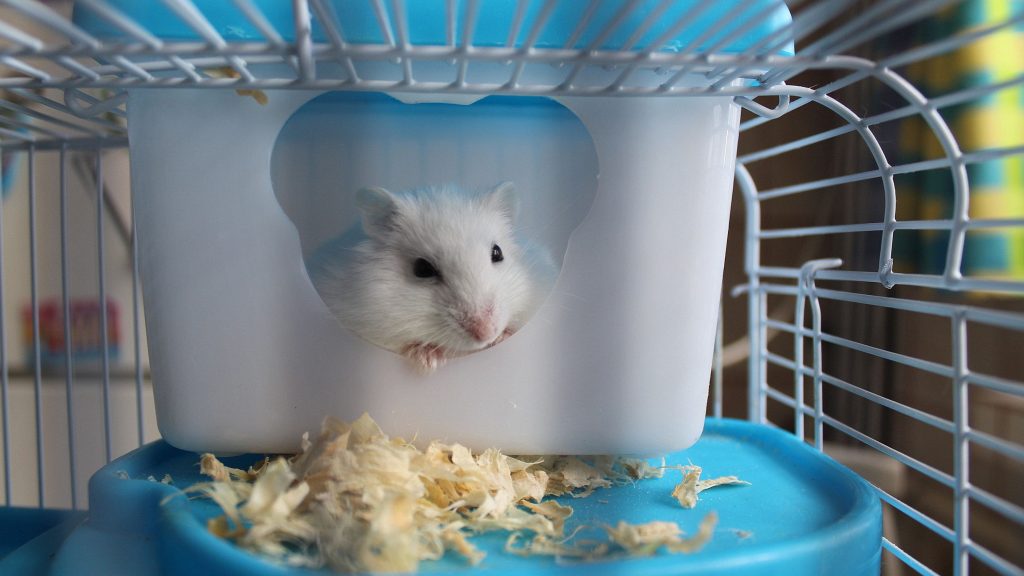
Hamsters are solitary, nocturnal creatures that thrive on their own. Their behavior is a fascinating mix of instinct and play.
| Feature | Requirement |
|---|---|
| Enclosure Size | A minimum 10-gallon solid-bottom cage or tank. |
| Bedding | 2-3 inches of safe, absorbent bedding for burrowing. |
| Essential Gear | Multiple hideouts, an 8-inch solid exercise wheel, and chew toys. |
| Climate | Maintain 65-75°F; avoid drafts and direct sunlight. |
Consistency in care and diet is the best way to ensure a healthy and long-lived hamster.
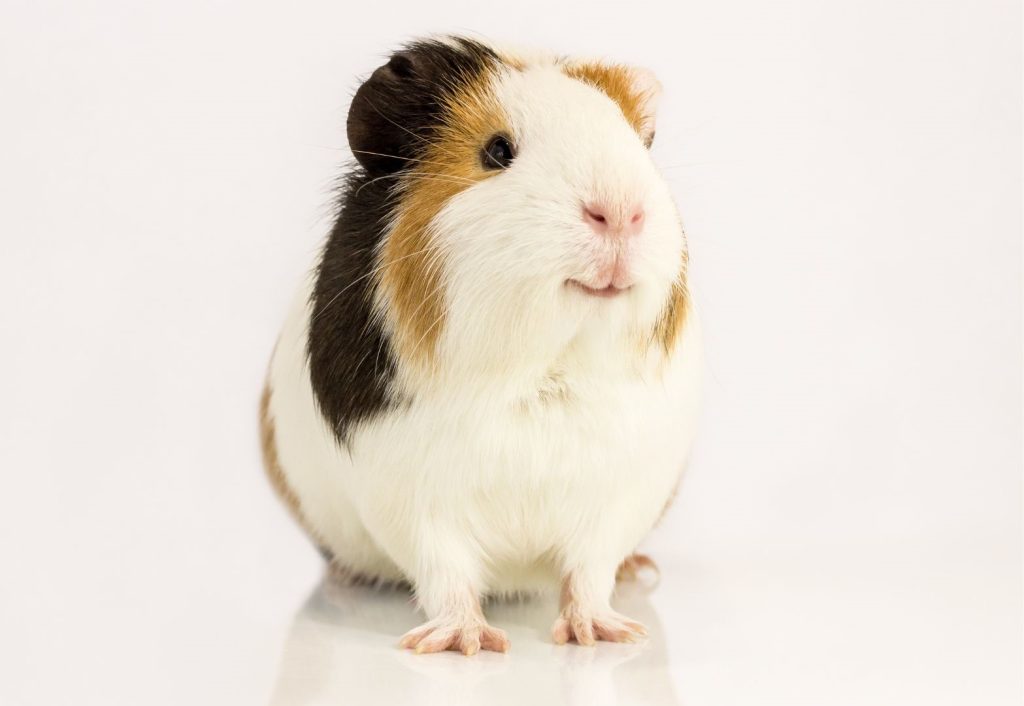
Guinea pigs are active members of the household who communicate through a unique vocabulary of squeaks, purrs, and chirps.
| Feature | Requirement |
|---|---|
| Enclosure Size | At least 7.5 square feet for two pigs to allow for exercise. |
| Bedding | Paper-based or aspen shavings; avoid cedar or pine. |
| Furnishings | Multiple hideouts, tunnels, and a sturdy water vessel. |
| Climate | Maintain 65-75°F away from drafts or direct heat. |
A healthy guinea pig requires a diet that mimics natural grazing habits.
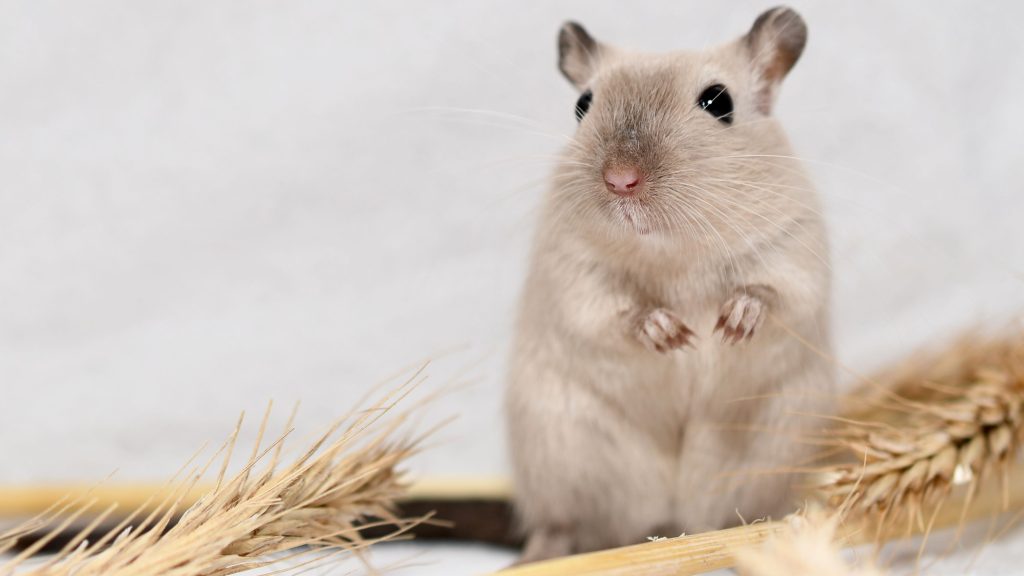
Gerbils are renowned for their gentle, social temperaments. Unlike solitary hamsters, they thrive when kept in same-sex pairs or small groups.
| Feature | Requirement |
|---|---|
| Enclosure | Spacious tank or cage suitable for deep substrate. |
| Bedding | 6+ inches of dust-free bedding like aspen or paper for digging. |
| Enrichment | Tunnels, hideouts, and exercise wheels. |
| Climate | 65-75°F with low humidity to prevent infection. |
Gerbils are active and require consistent care to maintain their high energy levels.
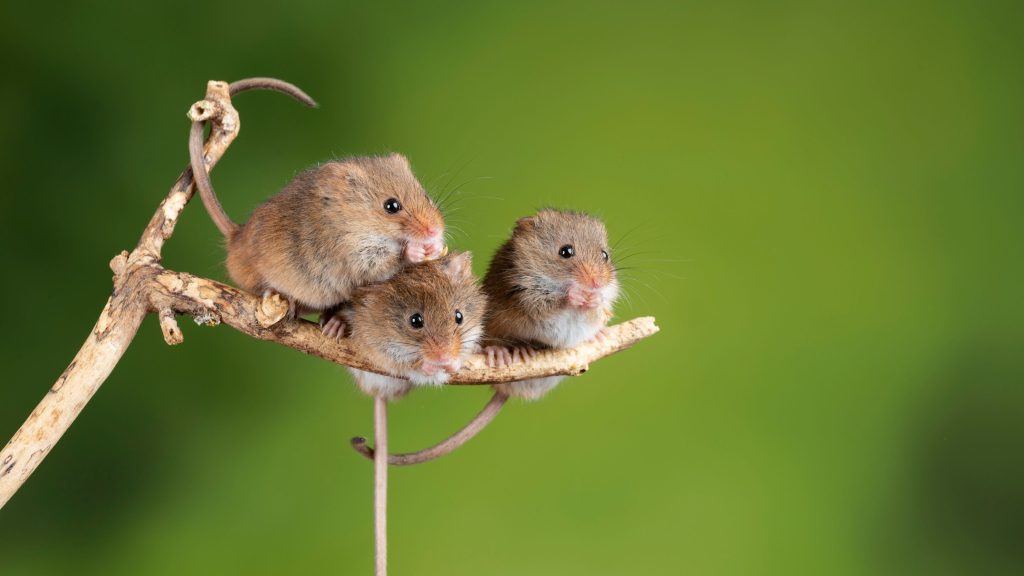
Fancy mice are remarkably intelligent and curious companions known for their agility and quick-moving personalities.
| Feature | Requirement |
|---|---|
| Enclosure | Multi-level cage or tank with a secure, escape-proof lid. |
| Bedding | Safe, absorbent material for nesting and burrowing. |
| Enrichment | Ropes, ladders, wheels, and climbing structures. |
| Climate | 65-78°F with excellent ventilation to prevent ammonia buildup. |
A healthy mouse requires a diet that accounts for their omnivorous nature and strict hygiene.
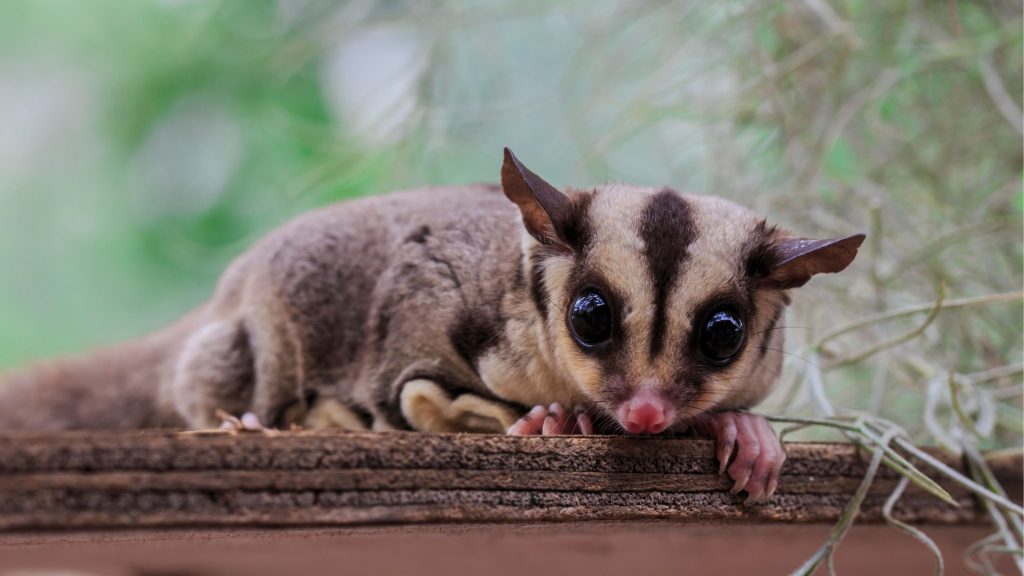
Sugar gliders are incredibly intelligent, affectionate, and complex marsupials. These high-commitment pets are best suited for dedicated enthusiasts.
| Feature | Requirement |
|---|---|
| Enclosure | Tall, spacious wire cage (3-4 feet high). |
| Enrichment | Climbing branches, ropes, and levels. |
| Sleep | Secure, comfortable sleeping pouches. |
| Climate | Stable 75-80°F; they are highly sensitive to cold. |
The health of a sugar glider is heavily dependent on a rigorous diet and consistent environmental hygiene.
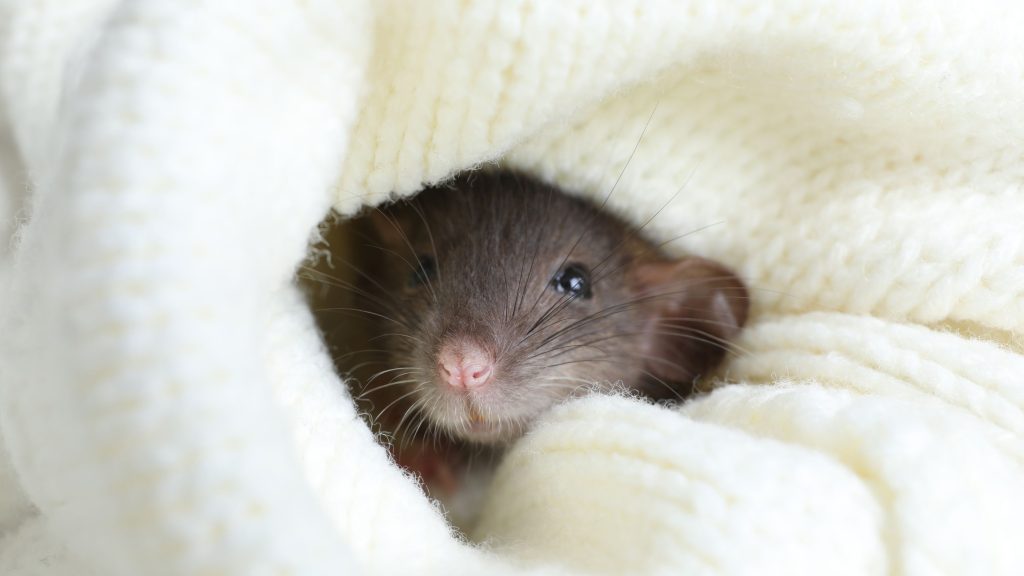
Choosing to share your life with a pocket pet is a rewarding journey that blends education, companionship, and a commitment to specialized care. By aligning these unique animals with habitats that support their natural instincts, providing the right environmental conditions, and maintaining a balanced, species-specific diet, you create a foundation where they can truly thrive.
Responsible ownership extends well beyond daily feeding and cleaning. It is about understanding the subtle needs of your pet and establishing a proactive relationship with a knowledgeable medical team. Because these animals are sensitive and often hide signs of illness, regular exotic veterinary partnerships are vital to catching health changes early and ensuring a high quality of life throughout their entire lifespan.
Ready to provide your small companion with the expert care they deserve? Schreiber Veterinary Hospital in Foley, Alabama, specializes in the unique needs of exotic and pocket pets.
Whether you need a preventive wellness exam, habitat guidance, or nutritional advice, their team is dedicated to your pet's long-term health.
| Species | Temp Range | Lifespan |
|---|---|---|
| Hamster | 65-75°F | 2-3 Years |
| Gerbil | 65-75°F | 3-5 Years |
| Mouse | 65-78°F | 1.5-3 Years |
| Guinea Pig | 65-75°F | 5-8 Years |
| Sugar Glider | 75-80°F | 10-15 Years |
For those near Foley, Alabama, Schreiber Veterinary Hospital offers specialized exotic pet care.