Skip to content

Summer Safety Tips for Gulf Coast Pets

Summer Heat Safety Tips for Pets

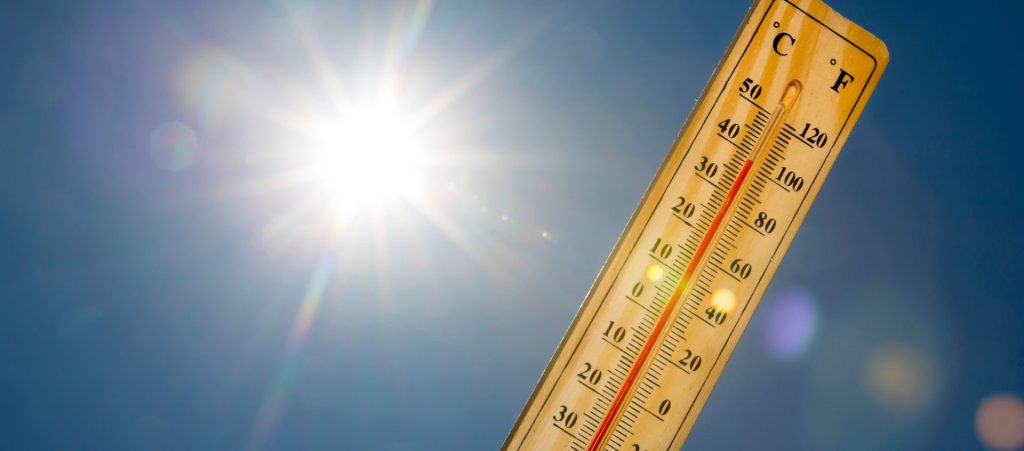
Summers along Alabama’s Gulf Coast bring sunshine, beach days, and high temperatures, but they also bring serious risks for our pets. In Foley and Gulf Shores, during mid-summer, while the baseline thermometer might read 90°F, the heat index routinely soars between 100°F and 105°F+, and on peak stagnation days, it can climb even higher! This combination creates oppressive heat indexes that can push a pet’s body temperature into the danger zone far faster than many owners realize.

Unlike humans, dogs and cats have limited ability to cool themselves. They primarily rely on panting and a small number of sweat glands in their paw pads. When humidity is high, evaporative cooling becomes inefficient, and heat builds rapidly.

Heatstroke (severe hyperthermia) is a true veterinary emergency that can cause organ failure, brain damage, or death within minutes if not addressed. The good news: most cases are preventable with awareness and simple precautions tailored to our local climate.
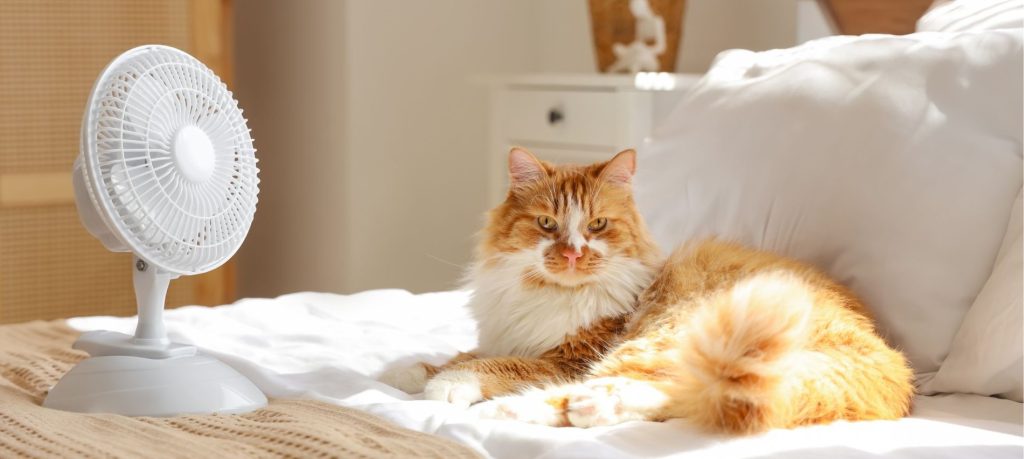
Fluffy orange and white cat lying on a white bed next to a small white fan

Why Gulf Coast Summers Are Especially Dangerous

In dry heat, panting works reasonably well. In the humid air of Baldwin County, moisture-laden air slows evaporation, so pets struggle to release heat. A temperature that feels “only” 88°F can feel like 100°F or higher to a dog or cat. Cars, even with windows cracked, can reach lethal internal temperatures in under 20 minutes. Asphalt and dark surfaces radiate additional heat that burns paw pads and raises core temperature further.

Local examples are common: a Labrador left in a yard without adequate shade during a mid-afternoon walk, a brachycephalic breed exercised on the beach at noon, or a senior cat in a non-air-conditioned space during a power outage after a summer storm.

Pets at Highest Risk

Certain animals face elevated danger:

  • Brachycephalic (flat-faced) breeds including Pugs, French Bulldogs, Boxers, Boston Terriers, English Bulldogs, Persian and Himalayan cats. Their shortened airways make effective panting difficult.
  • Overweight or obese pets
  • Senior pets and very young puppies/kittens
  • Pets with heart disease, respiratory conditions, or laryngeal paralysis
  • Dark-coated or thick-coated dogs
  • Pets not acclimated to heat or those exercised vigorously in hot conditions
  • ANY PET that cannot escape the high summer heat including pets in vehicles or pets in truck beds with hot surfaces.
  • Even healthy, athletic dogs can develop heatstroke if overworked in high humidity.
Wooden thermometer showing high temperatures against a bright blue sky with intense sunlight

Early Warning Signs of Heat Stress and Heatstroke

Recognize the progression quickly so you can intervene before it becomes a life-threatening emergency:

Early Signs (Heat Stress)

  • Heavy or rapid panting
  • Excessive drooling
  • Bright red gums or tongue
  • Restlessness or seeking cool surfaces
  • Increased heart rate
  • Mild weakness or reluctance to move

Advanced Signs (Heatstroke)

  • Difficulty breathing or noisy respiration
  • Pale, gray, or purple gums
  • Vomiting or diarrhea (sometimes with blood)
  • Lethargy, confusion, or stumbling
  • Collapse or seizures
Note on Felines: Cats often show subtler signs and may simply hide, become quiet, or pant—which is itself abnormal for most cats.

Pet Temperature Danger Scale

According to veterinary sources, body temperatures escalate through specific danger zones (without an underlying infection):

Body Temperature Status / Condition
100.5°F – 102.5°F Normal Range for healthy dogs and cats.
104.0°F – 106.0°F Environmental Heatstroke is strongly associated at these elevated temperatures. Immediate veterinary attention is required.
107.0°F – 109.0°F Critical Danger. Severe organ damage becomes highly likely as temperatures reach this threshold.
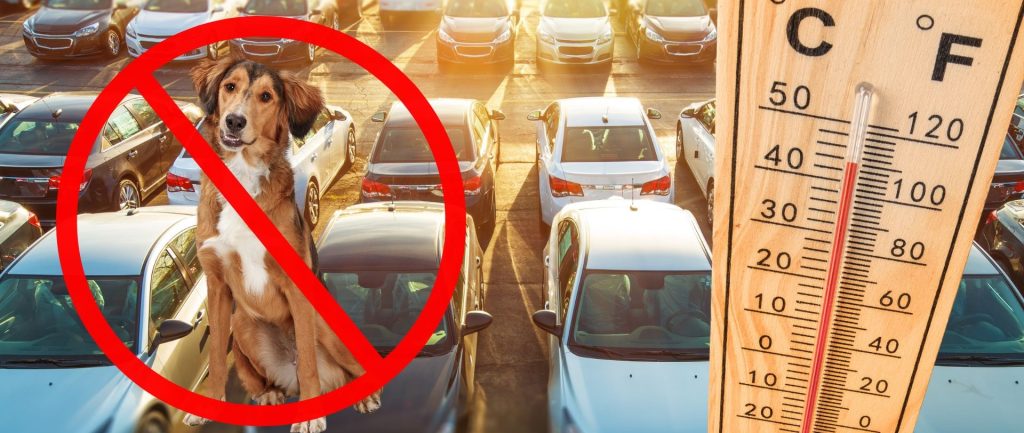
Dog with a red prohibition symbol over it next to a full parking lot and a thermometer reading over 100°F

Vehicle Heat Danger!!!

A car interior turns into a lethal oven within the first 5 to 10 minutes on a hot Southeast day. Leaving a pet behind for even a brief moment puts them at extreme risk.

10 Minutes Parked 114°F
20 Minutes Parked 124°F
30 Minutes Parked 129°F
40 Minutes Parked 133°F
60 Minutes Parked 138 to 140°F

First 10 Minutes Reality

  • Rapid Initial Spike. Most of the temperature jump happens right away in the first 5 to 10 minutes.
  • Surface Over Ambient. Dashboards and seat belts cause instant burns before the air even feels fully lethal.
  • Immediate Action. Bringing your pet inside right away is the only way to prevent instant burns and rapid heatstroke.

CRUCIAL WARNING

Never leave kids, pets, or anyone vulnerable in a parked car, even “just for a minute.” The heat builds far faster than expected and becomes fatal in under 10 minutes.

Quick Reference Temperature and Safety Guide

Use this quick-reference breakdown to monitor environmental thresholds and know exactly when outdoor conditions shift from safe to hazardous for your pets.

Safe Zone

Under 75°F
  • Normal activity. Ideal conditions for standard walks, play, and outdoor time.
  • Standard hydration. Bring normal water supplies for regular outings.
  • Hutch pets comfortable. Small outdoor animals experience low thermal stress.

Caution Zone

75°F to 85°F
  • Increased monitoring. Watch for early panting or slowing pace during exercise.
  • Shade required. Limit direct sun exposure and take frequent water breaks.
  • Hutch adjustments. Provide frozen bottles and full shade for outdoor rabbits and poultry.

Danger Zone

Above 85°F
  • High heat risk. Severe danger of heatstroke, especially with high Gulf Coast humidity.
  • Restricted activity. Keep walks brief and strictly restricted to early morning or late evening.
  • Indoor relocation. Move vulnerable, senior, or hutch-housed pets into air conditioning.

The Five-Second Rule for Asphalt or Hot Truck Beds

Before taking your dog for a walk or ride, do a quick paw check, place the back of YOUR hand on the pavement or truck bed for five seconds. If it feels too hot for your hand, it is far too hot for your pet's paw pads. If your pet is pacing trying to keep their paws up, it's too hot!!!
Collage showing a golden retriever, white rabbit, thermometer, orange cat, and brown chicken against a hot street background

Special Considerations for Outdoor and Hutch-Housed Pets

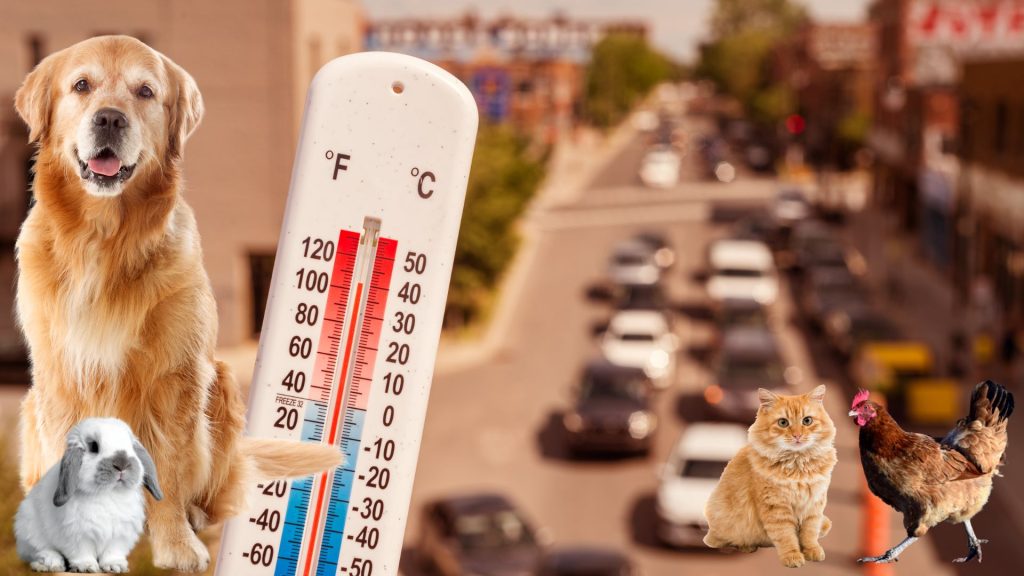
Many Gulf Coast families keep rabbits in outdoor hutches, backyard chickens, or other small animals that live primarily outside. These pets cannot simply walk indoors when temperatures climb, so they require intentional heat-escape planning.

Rabbits in Hutches

Rabbits are highly susceptible to heat stress because they do not pant effectively and have dense fur. Ideal ambient temperatures are 60 to 70 degrees Fahrenheit; exposure above 80 to 85 degrees Fahrenheit can become dangerous. Provide:

  • Full shade. Cover the entire hutch and run with tarps, shade cloth, or tree cover to block the afternoon sun.
  • Excellent ventilation. Avoid solid-sided enclosures that trap heat.
  • Cooling aids. Place frozen water bottles or chilled ceramic tiles wrapped in a thin towel inside for them to lean against.
  • Hydration. Offer multiple water sources checked frequently, as plastic bottles heat up quickly.
  • Elevation. Use platforms so rabbits can choose cooler air near the ground or higher up.
  • Indoor backup. Bring them indoors or to a climate-controlled garage during heat advisories.

Watch for lethargy, stretched-out posture, rapid breathing, or refusal to eat because these signal heat stress or life-threatening GI stasis.

Backyard Chickens & Poultry

Chickens handle heat better than rabbits but still suffer in Gulf Coast humidity. To keep your flock safe, provide:

  • Shade and dust. Ample shaded areas in the run and dust-bathing spots that stay cool.
  • Cool water. Constant access to fresh, cool water with ice cubes added on the hottest days.
  • Airflow. Ensure good ventilation through the coop by opening windows with hardware cloth, using ridge vents, or adding a small fan if electricity is safe.
  • Frozen treats. Offer watermelon or ice blocks in shallow pans.
  • Space. Avoid overcrowding because birds generate their own heat.

Signs of overheating in chickens include holding wings away from the body, open-mouth breathing, and lethargy.

Other Outdoor or Semi-Outdoor Pets

Guinea pigs, some birds, and other small mammals kept in outdoor enclosures need the same core protections: complete shade, excellent ventilation, multiple cool water sources, and a realistic plan to move them indoors during heat waves or power outages. Never rely solely on a fan in high humidity because moving hot, moist air offers limited relief.

The Golden Rule for Baldwin County Summers ~ The safest approach for any outdoor pet is to treat extreme heat days the same way you would for a dog or cat. Reduce exposure, increase cooling options, and have a backup indoor location ready.
ADditional Strategies

1
Temporary Shade

Create immediate shade using shade cloth, tarps that allow airflow, temporary roofs, or lean-tos to dramatically reduce radiant heat load.

2
Air Movement

Deploy fans as the most reliable mechanical tool in humid climates to create a life-saving wind-chill effect.

3
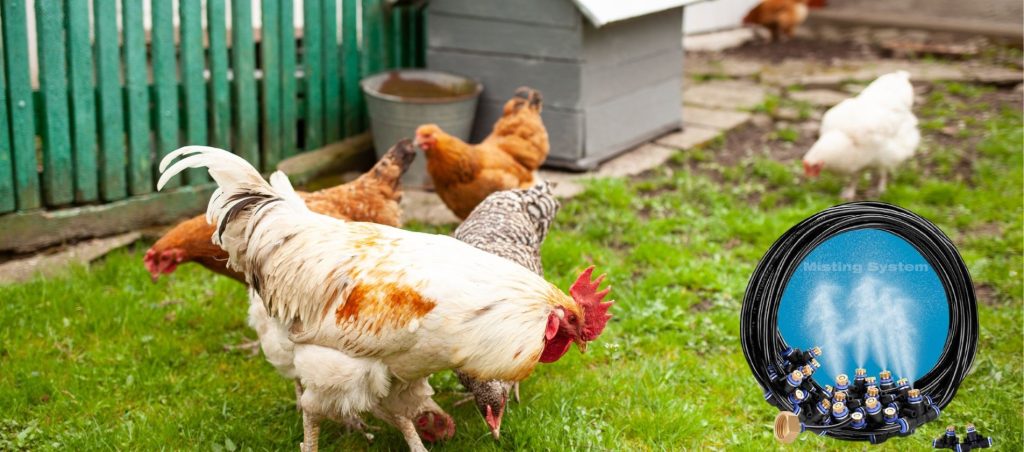
Misters and Foggers

Use to help cool the air and assist animals in the heat with proper ventilation.

Effective Fan Strategies for Humid Climates

  • Agricultural Rated Equipment. Use sealed-motor or agricultural-rated fans to prevent dust clogs and fire hazards associated with ordinary box fans.
  • Low Level Placement. Aim for continuous air movement at animal level rather than just circulating hot air high up.
  • Cross Breeze Setup. Position fans to create a cross-breeze or blow across resting areas, using high exhaust fans to pull out trapped hot air.
  • Alternative Power Sources. Utilize solar-powered or battery fans for coops or pens lacking reliable electrical power.
  • High Capacity Circulation. Employ tunnel fans delivering several hundred feet per minute of air speed for larger livestock like cattle and goats.

Mister and Evaporative Cooling Benefits

Misters lower air temperature through water evaporation, helping cool the air and providing relief when temperatures spike in the heat.

  • Fine Mist Priority. Prefer fine mist or fog over large soaking droplets, mounting nozzles high so water evaporates before hitting the ground.
  • Choice Access. Place misters so animals can choose to walk through or avoid the moisture entirely.
  • Timed Cycles. Run systems on short cycles or timers to effectively manage the environment and keep areas comfortable.
  • Livestock Sprinklers. Use low-pressure skin-wetting sprinklers followed by fan drying for larger farm animals to help them cool down.

Essential Management Steps

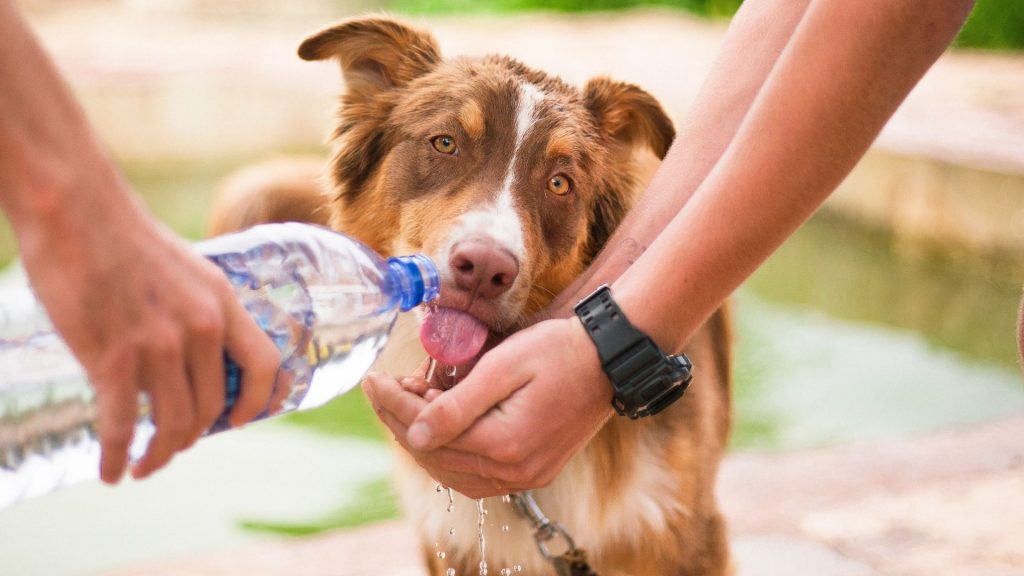
Hydration Access Provide multiple shaded water stations with cool water or slow-melting frozen bottles.
Electrolyte Support Add electrolytes to water during heat waves to support heavily panting animals.
Heat Stress Monitoring Watch closely for heavy panting, wings held away from the body, lethargy, or huddling.
Overnight Airflow Keep fans running through the night since coops and barns retain dangerous heat long after sundown.

BOTTOM LINE

In the humid Southeast at 95°F, prioritize shade and strong air movement with fans, and use of fine misters to help cool the air. Without these measures, animals in enclosed spaces can overheat nearly as fast as a parked car.
Brown and white dog drinking water poured from a plastic bottle into a person’s cupped hands

Practical Prevention Strategies for Foley & Gulf Shores

  • Limit outdoor time during peak heat. Walk dogs early morning (before 8–9 a.m.) or after sunset. Avoid the 10 a.m.–6 p.m. window on hot, humid days.
  • Never leave pets in parked vehicles. Even “just for a few minutes” can be fatal. This remains the leading cause of heatstroke cases seen in clinics.
  • Provide constant access to shade, cool water, and airflow. Use elevated water bowls, multiple water stations, and fans or air conditioning indoors. Consider cooling mats or damp towels for high-risk pets.
  • Protect paws and avoid hot surfaces. Test pavement with the back of your hand—if it’s too hot for you, it’s too hot for them. Use booties or stick to grass and shaded paths.
  • Adjust exercise and play. Shorten walks, choose swimming or water play when safe, and watch for early panting. Stop activity at the first sign of heavy breathing.
  • Groom thoughtfully. Regular brushing helps, but never shave double-coated breeds completely—coat actually provides some insulation and sun protection. Keep coats trimmed and clean.
  • Monitor high-risk pets closely. Keep brachycephalic, senior, or overweight animals indoors with air conditioning as much as possible during heat waves.
  • Plan for power outages and storms. Have a backup cooling plan (coolers with ice packs, battery fans, or a predetermined cooler location) for hurricane season.

What to Do If You Suspect Heatstroke

Act immediately but carefully:

  • Move the pet to a cool, shaded, or air-conditioned area.
  • Offer small amounts of cool (not ice-cold) water if the pet is conscious and able to swallow.
  • Apply cool (not ice-cold) water to the head, neck, armpits, groin, and paw pads. Use a fan or car air conditioning to promote evaporative cooling.
  • Do not use ice, ice baths, or ice packs directly—these can constrict blood vessels and worsen the situation.
  • Do not cover the pet with wet towels (this traps heat).
  • Check rectal temperature if possible and stop active cooling once it reaches about 103–104°F to avoid overcooling.
  • Transport to a veterinary clinic right away—even if the pet seems to improve. Internal damage can continue after cooling.

When to Rush to the Clinic

Seek emergency veterinary care immediately if your pet shows advanced signs, collapses, has seizures, vomits blood, or fails to improve quickly with cooling. Even pets that appear stable after initial cooling need professional evaluation because heatstroke can trigger kidney injury, clotting disorders, and other delayed complications.

At Schreiber Veterinary Hospital in Foley, our team is prepared to provide rapid assessment, intravenous fluids, oxygen support, and intensive monitoring for heat-related emergencies during business hours. For after-hours crises, we coordinate with regional emergency facilities such as MedVet in Mobile.

Bright sun shining through orange and yellow clouds with strong sun rays

Conclusion

Gulf Coast summers are beautiful, but they demand extra vigilance from pet owners. By understanding local humidity risks, recognizing early warning signs, and following practical prevention steps, you can dramatically reduce the chance of heatstroke. Most cases are preventable and early action saves lives.

If you have questions about your individual pet’s risk factors, want a pre-summer wellness check, or need guidance on keeping brachycephalic, senior, or outdoor pets safe, the team at Schreiber Veterinary Hospital is here to help.

Your pet’s comfort and safety are our priority. Let’s beat the heat together.
Call Us Today: (251) 203-1311

Located at: 1157 S. McKenzie St, Foley, AL

References

American Society for the Prevention of Cruelty to Animals. (n.d.). Hot weather safety tips.

Cornell University College of Veterinary Medicine. (n.d.). Heatstroke: A medical emergency. Riney Canine Health Center.

Weir, M., Williams, K., & Ward, E. (n.d.). Heat stroke in dogs. VCA Animal Hospitals.

Weather data references drawn from local climatological averages for Foley and Gulf Shores, Alabama (Weatherspark and regional climate summaries).

Frequently Asked Questions About Summer Safety

🐾 Should I shave my fluffy dog to keep them cool?

No. It might seem counterintuitive, but a dog's double coat actually acts as insulation. It protects them from the intense Gulf Coast sun (preventing sunburn) and helps regulate their body temperature. Instead of shaving, opt for a professional deshedding treatment and regular brushing to remove loose undercoat and improve airflow to their skin.

🐾 Is it safe to leave my dog in the car if the AC is running?

It is highly discouraged. Air conditioning compressors can fail, engines can stall, or a pet might accidentally bump a window switch or climate control knob. In our intense Baldwin County heat, a car can reach fatal internal temperatures in just 10 minutes if the AC stops working. It is always safer to leave your pet at home or take them in the store that allows it. DO NOT leave your pet in a hot car or the back of a hot pick up truck!

🐾 Can my pet get heatstroke while swimming at the beach?

Yes. While the water is cooling, swimming is a highly strenuous exercise. Dogs fetching toys in the water can overexert themselves, especially under direct sunlight. Furthermore, Gulf water temperatures in late summer can feel like bathwater and offer very little thermal relief. Always enforce breaks in the shade and provide fresh drinking water.

🐾 Are cooling vests and mats actually effective?

Yes, but with limitations. Cooling mats are great for indoor use or shaded patios. Evaporative cooling vests work well in dry climates but are much less effective in Alabama's high humidity. They can help, but they should never replace the golden rules of summer safety: shade, hydration, and air conditioning.

🐾 How quickly can heatstroke happen in an emergency?

In extreme conditions, such as being trapped in a car, or a brachycephalic (flat-faced) breed exercising outdoors in the heat of the day, severe heatstroke can develop in as little as 10-15 minutes. Always err on the side of caution and intervene at the very first signs of heavy panting.