
Have you ever watched a video of a tiny, snout-wiggling piglet and thought, "I need one of those?" You aren't alone! Pot-bellied pigs and other "designer" mini-pig breeds have surged in popularity as household pets. They are incredibly endearing, remarkably clean, and form deep, affectionate bonds with their human families.
But before you bring home a bundle of joy with hooves, it’s vital to understand what caring for a pig truly entails. They are wonderfully unique creatures that require specialized housing, enrichment, and dedicated veterinary care.
Did you know? Porcine is the scientific and formal adjective derived from the Latin word porcus, meaning pig. When describing a creature as porcine, it signifies that they belong to the biological family Suidae, or possess characteristics, such as their anatomy, behaviors, or snout-like features, typically associated with swine.
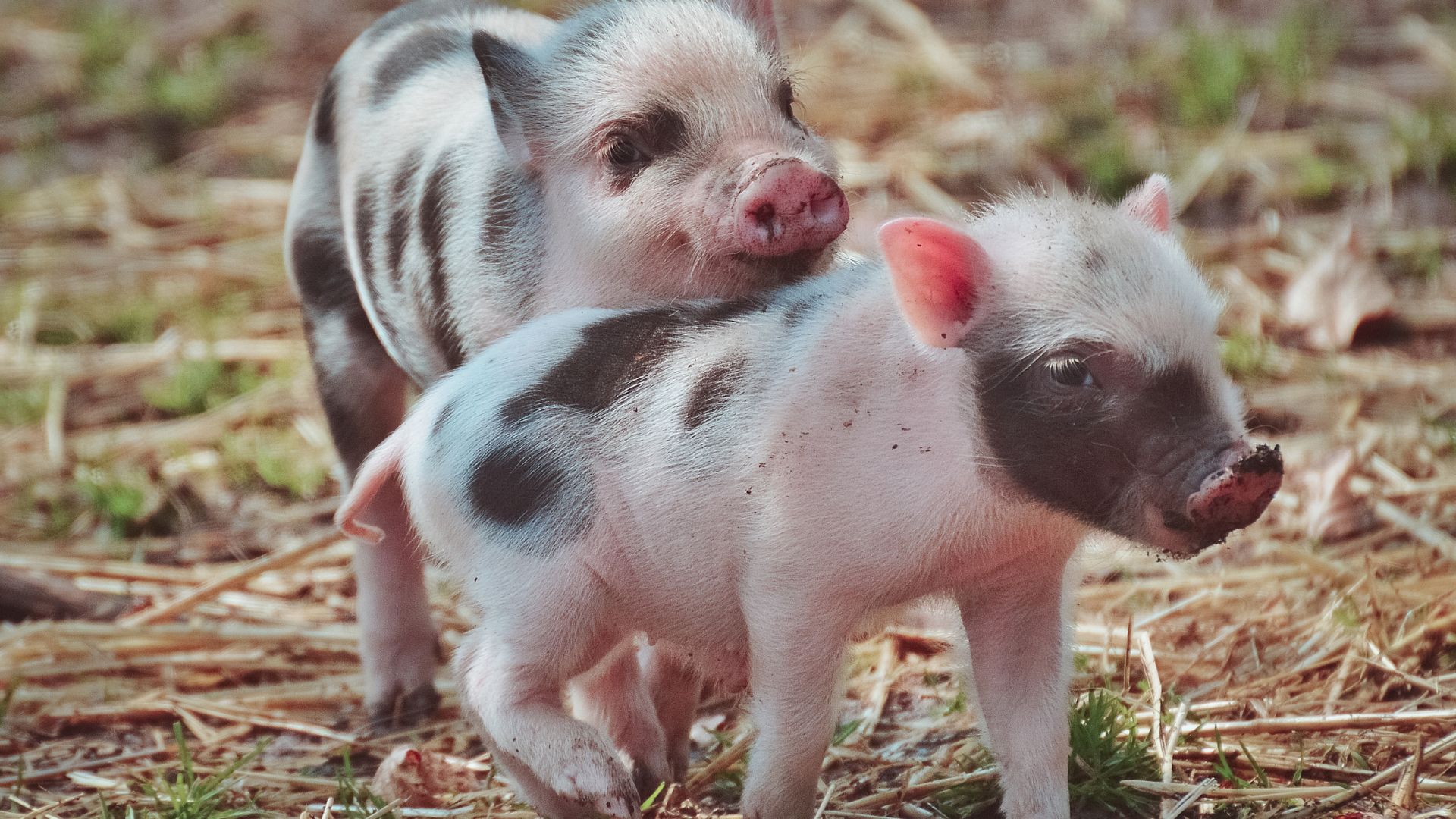
If you think your dog is smart, prepare to be amazed. Pigs are widely considered to be one of the most intelligent domesticated animals in the world, often outperforming dogs and even human toddlers in cognitive tests.
Pigs have excellent long-term memories and spatial learning capabilities. They can learn their names in just a few days, master complex tricks, navigate mazes, and even figure out how to open cupboards or the refrigerator if you aren't careful. Scientific studies have demonstrated that pigs can use simple tools to solve puzzles for food rewards, retain the memory of a solution for at least six months, and have even been taught to play basic video games using joysticks.
They love toys. Treat-dispensing puzzles, crinkle balls, and rooting mats will keep their active minds busy. Without mental stimulation, a bored pig can become a destructive pig. Providing enrichment activities is essential for their mental well-being and reveals their high level of cognitive complexity. Much like dogs, their playful nature means they require dedicated time for interaction and games to thrive.
Pigs are among the most intelligent animals on the planet—smarter than many dogs! Because they are so bright, they require constant mental stimulation to prevent destructive behavior.
Pigs are deeply empathetic and form tight social hierarchies. They recognize familiar faces, work together to resolve conflicts, and communicate with a wide vocabulary of grunts, squeaks, and barks.
Multiple studies have proven that pigs experience "emotional contagion," meaning they can perceive and adopt the emotional states, whether positive or negative, of their peers. A recent 2024 study recorded heart rate synchronization between pigs, demonstrating that untreated pigs could physically feel the distress or joy of their companions even when separated.
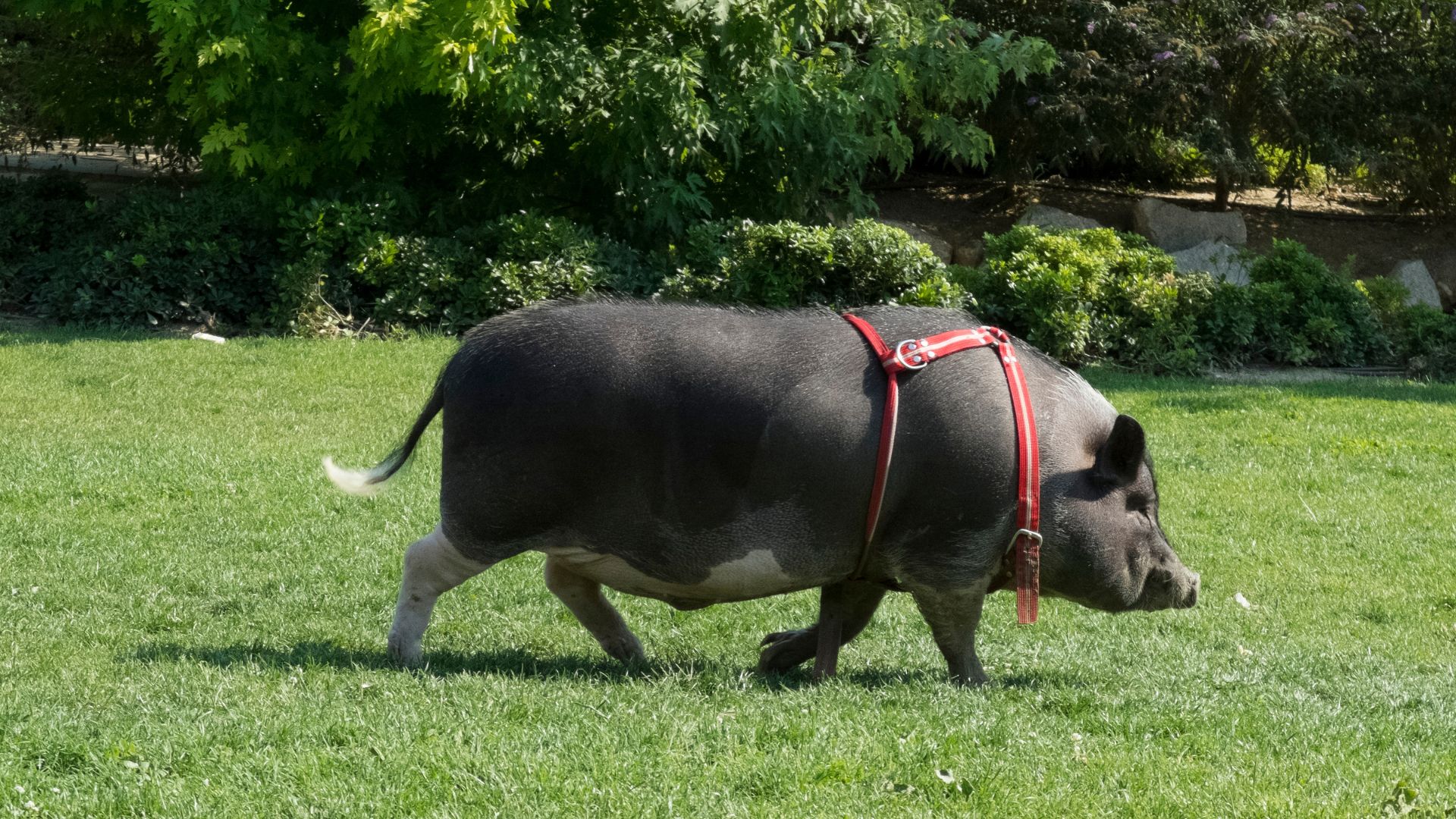
The biggest heartbreak in the pet pig world stems from a simple misunderstanding ... size.
Unscrupulous breeders often market their piglets as "Teacup," "Micro," or "Designer" pigs, promising they will stay under 40 pounds forever. This is a myth. Here is the reality of designer versus standard breeds.
A 6-week-old baby. The parents might look small because pigs can breed at just 6 months old while still babies themselves.
A healthy, fully grown adult pet pig at 5 years old. This is the true reality of bringing home a "miniature" breed.
Breeds like Yorkshires. Accidental adoptions happen often and lead to massive animals completely unsuitable for indoor living.
Key Strategies for Pet Pigs Parents
Always meet the piglet's parents ➔ Never underfeed to stunt growth (this causes severe health issues) ➔ Establish a relationship with an exotic-savvy veterinarian immediately.
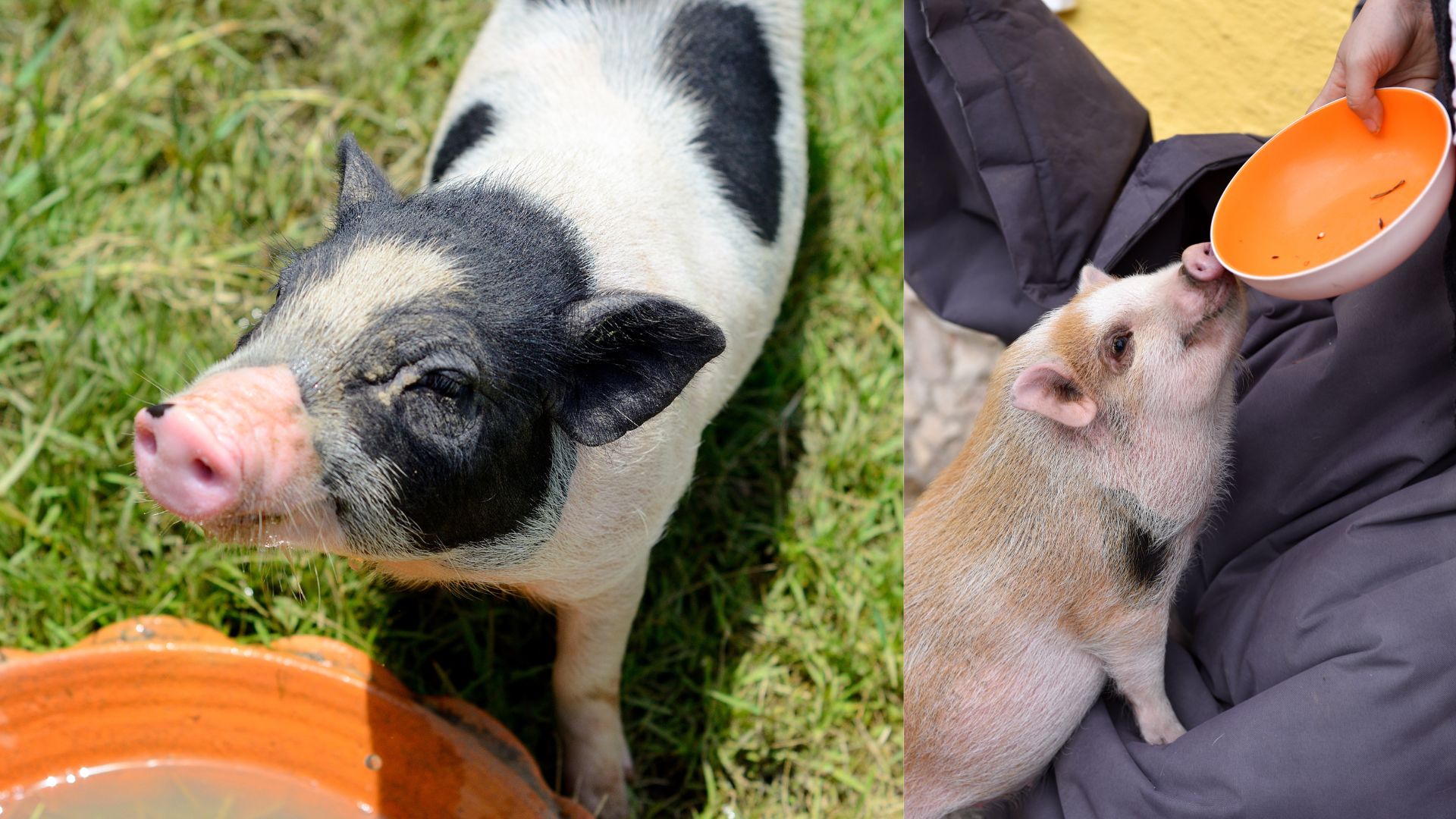
Pigs are not dogs, and their daily care requires specialized routines. From their snouts to their hooves, here is what a healthy, happy pig needs to thrive.
Pigs have voracious appetites. They require a pelleted diet specifically formulated for mini-pigs, not farm hog feed! Supplement this with fresh, leafy greens and non-starchy vegetables. Keep fruit as an occasional treat to prevent obesity.
Pigs have a natural instinct to "root" (dig with their snouts). Provide a safe, shallow plastic pool filled with smooth river rocks or plastic ball-pit balls and sprinkle their pellets inside. It saves your carpets and keeps them mentally satisfied.
Pigs lack sweat glands, making them highly susceptible to heat stress. Whether housed indoors or outdoors, they must have access to constant shade, cool surfaces, and misters or shallow water to wallow in. Keeping your pig cool is a critical necessity for their health.
Because they are considered exotic pets, standard dog-and-cat vets usually do not treat pigs. Pigs require specific routine care, including:
Most importantly, pigs must be spayed or neutered. Unaltered pigs suffer from severe behavioral issues and high risks of reproductive cancers.
The compassionate team at Schreiber Veterinary Hospital in Foley, AL has the training and experience to provide expert options to handle these unique needs safely and gently.
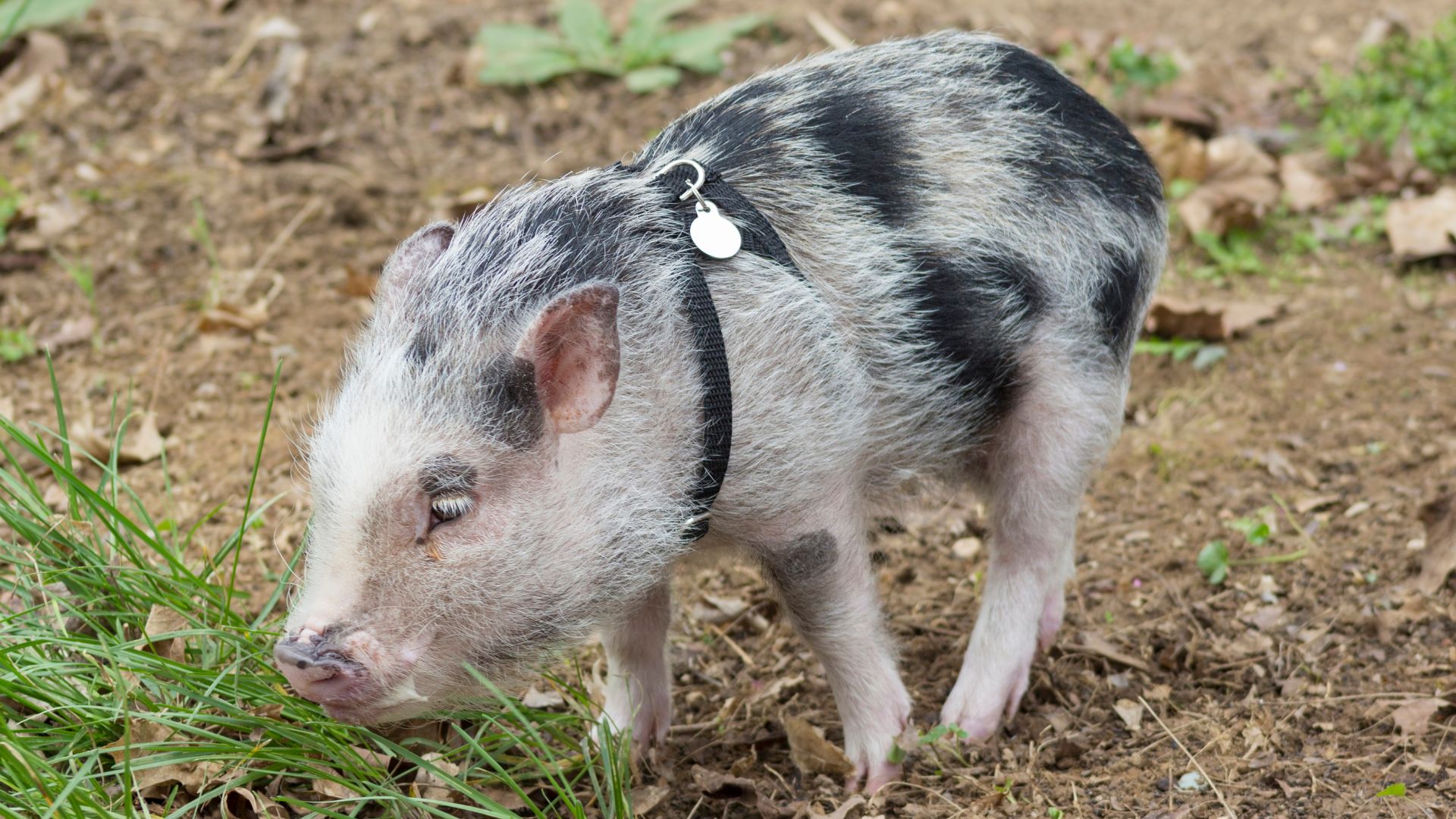
Yes, pot-bellied pigs can make excellent house pets for the right family. They are highly intelligent, can be litter box or house-trained easily, and are very affectionate. However, they require patience, a pig-proofed home, and access to an outdoor area for rooting.
A healthy, fully grown mini pig or pot-bellied pig will generally weigh between 70 and 150 pounds and stand about knee-high to an adult human. They do not finish growing until they are 3 to 5 years old. Beware of breeders claiming their pigs will stay under 40 pounds.
A pet pig's diet should consist of a specialized, high-quality commercial mini-pig pellet, supplemented with fresh vegetables (like cucumbers, celery, and leafy greens). Fruits should be given sparingly as treats. They must always have access to fresh water.
Schreiber Veterinary Hospital in Foley, AL, offers expert, compassionate care for exotic pets, including pot-bellied and designer pigs. They provide routine health checks, vaccinations, hoof trims, and spay/neuter services.
From essential hoof trims to comprehensive wellness exams, your unique companion needs an expert touch. Ensure your pig lives a long, healthy, and happy life.
Contact Schreiber Veterinary Hospital in Foley, AL today for expert and compassionate pet care.
Schedule an AppointmentAmerican Mini Pig Association. (2022). The truth about teacup pigs. AMPA Education.
Lord, K. (2020). Management of potbellied pigs. Merck Veterinary Manual.
Pusic, P., & Croney, R. (2018). Care and management of pet pigs. Penn State Extension.
Research Institute for Porcine Cognition. (2024). Heart rate synchronization and emotional contagion in domestic porcine species. Journal of Applied Animal Behavioral Science.